
Forensic Experts & Litigation
An expert's measurement is only as good as the answer to "how do you know?". A tape, a photograph and a sketch have limited answers.
A 3D scan has a full one: a device with stated accuracy, logged capture parameters, documented processing and a file the other side can measure for themselves.
 No sensitive case details required.
What makes a 3D scan measurement defensible?
Stated device accuracy, capture parameters recorded and the operator logged by the unit, processing logged with the raw scans kept, and — when the model is disclosed — a file on which the opposing expert can repeat the measurement.
 Stated accuracyA manufacturer figure, at a stated distance, to cite.
 Raw data keptProcessing is documented; the original capture is retained.
 RepeatableAnother expert with the file can repeat the measurement and compare.
 DisclosableWhen the work is relied on, the whole dataset can go to the other side, not a summary of it.
Why cross-examination is easier to survive with a model than with a sketch
The questions an expert faces are the same in every jurisdiction: how accurate is the measurement, how do you know, could someone else get the same result, and what did you leave out? A scaled sketch and a set of photographs have weak answers to all four. The measurement was taken once, by one person, with a tape, at the time.
A 3D scan answers each one. The device has a stated accuracy — Artec Ray II at 1.9 mm at 10 metres, Artec Leo at up to 0.1 mm, Artec Spider II at up to 0.05 mm — measured under stated conditions. Capture parameters are recorded with the data; operator and time are logged by the unit. Processing steps in Artec Studio are logged in the case notes and the raw scans are kept alongside the result. And when the model is disclosed, the opposing expert can repeat the measurement independently and either agree or explain why not.
What the scan does not do is replace the expert. The interpretation remains theirs; the geometry is what they now have to interpret from.
The record a cross-examiner will ask for
Each step is a question you will be asked. Each one has a documented answer.
- 1. Device and accuracyWhich scanner, its stated accuracy, and at what distance it applies.
 2. CaptureWho, when, what settings, what coverage — logged with the data.
 3. ProcessingRegistration and cleanup steps, with the raw scans retained.
- 4. MeasurementWhat was measured, how, and by what tool — reproducible by another user.
- 5. DisclosureWhen counsel discloses, the full model, in a format the other side can open.
Which scanner for this work
The figures you will cite. Read each one at the distance and scale it was stated for.
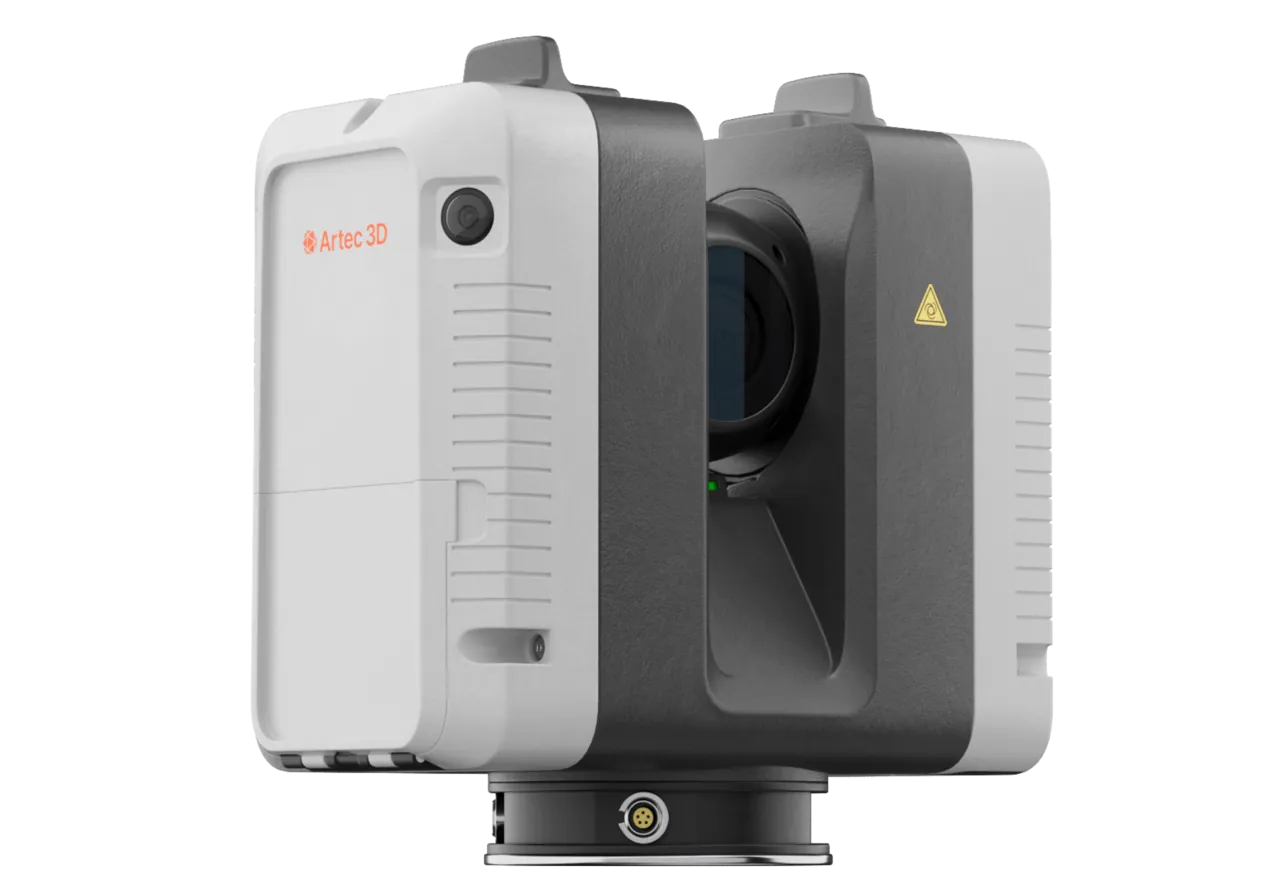
Artec Ray II
- Best for
- Scenes and structures
- Accuracy
- 1.9 mm at 10 m
- Range
- 0.5–130 m
- Scan time
- About 1.7 minutes for a full dome
- Portability
- Wireless, tripod-mounted
Ray II states 1.9 mm accuracy at 10 metres and 0.4 mm range noise at 10 metres — figures to cite, and to read at the distance you were working at.
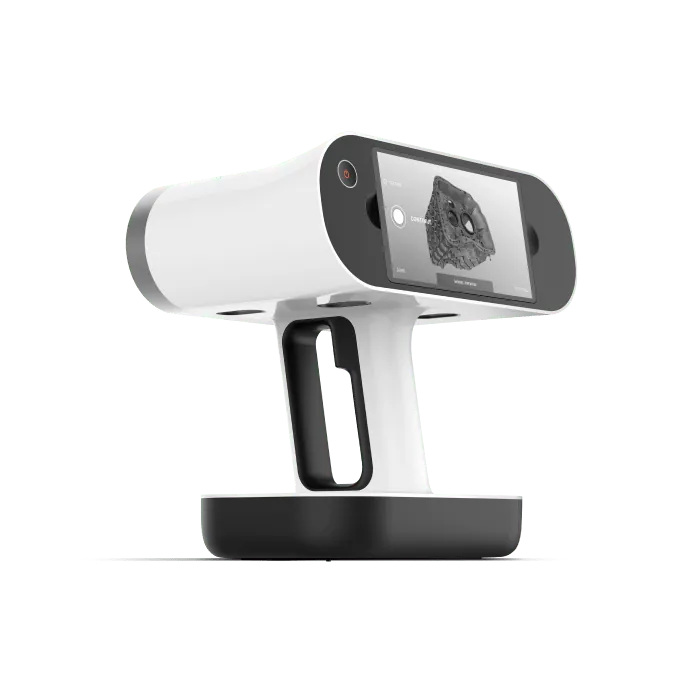
Artec Leo
- Best for
- Bodies, vehicles, evidence in position
- 3D point accuracy
- Up to 0.1 mm
- 3D resolution
- Up to 0.2 mm
- Capture
- Wireless, screen and processing onboard
- Capture speed
- Up to 35 million points/s (HD Mode)
Leo states up to 0.1 mm 3D point accuracy and 0.2 mm resolution, captured wirelessly with parameters recorded in the project.
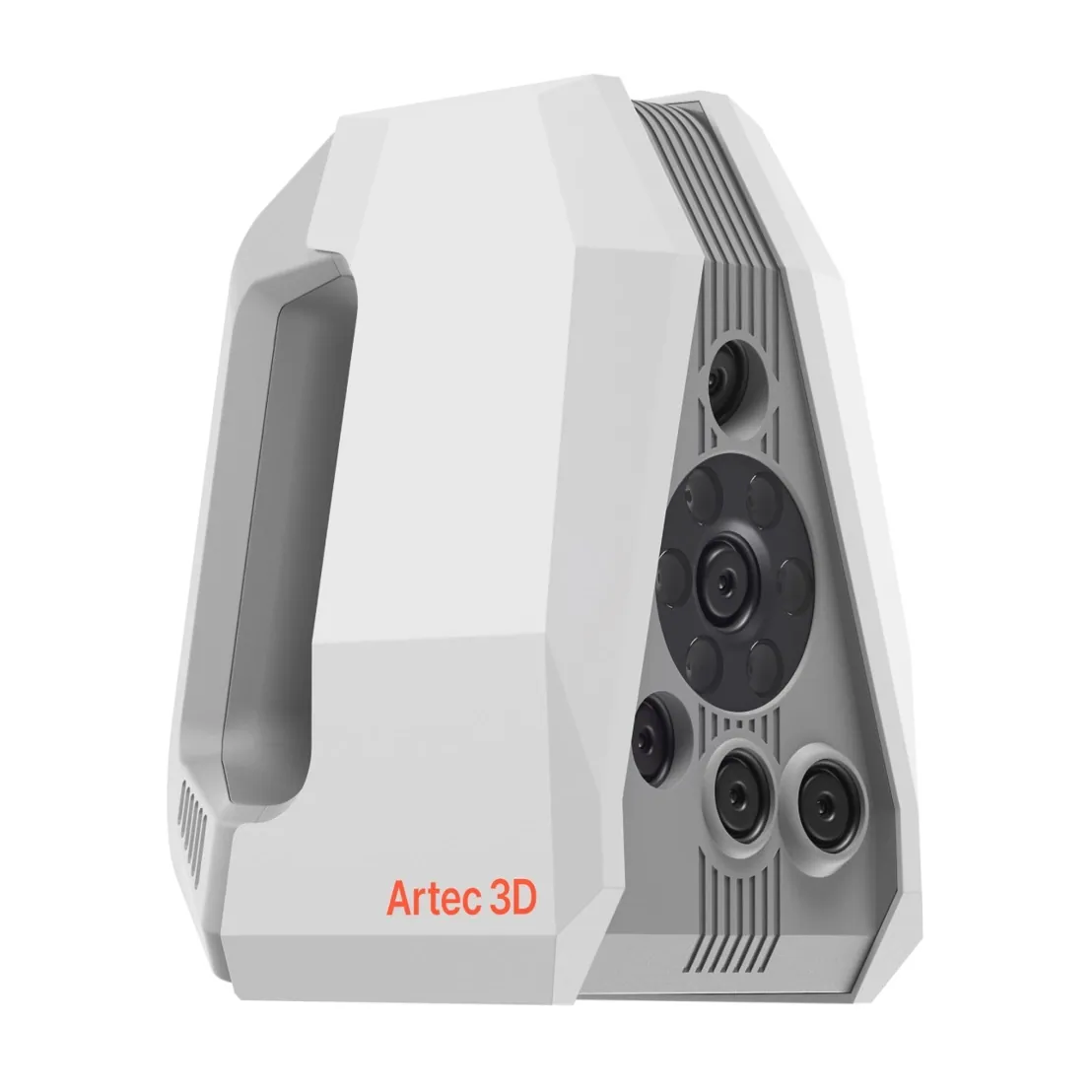
Artec Spider II
- Best for
- Fine detail — marks, wounds, bone
- 3D point accuracy
- Up to 0.05 mm
- 3D resolution
- Up to 0.05 mm
- Light source
- Blue structured light, no targets on the surface
- Portability
- Handheld, tethered to a laptop
Spider II states up to 0.05 mm point accuracy and 0.05 mm resolution: the figures behind the measured shape, size and position of a toolmark or a wound.
See what a measured record gives you under cross-examination — talk to a forensic specialist.
Book a consultationQuestions practitioners ask
How do I cite the accuracy?
From the manufacturer specification, stated at a distance and under stated conditions, and from your unit's own validation. Artec publishes accuracy and resolution per device.
Are the raw scans kept?
Yes: the unit keeps the raw capture read-only. Artec Studio saves the individual scans with the project's history of changes, but that history can be cleared, so log the processing steps in your case notes too.
Can the other side open the file?
Yes. Artec Studio exports E57, OBJ, PLY, STL and other open formats that any competent expert can load and measure.
Does the scan replace my opinion?
No. It gives your opinion measured geometry to rest on, and gives the cross-examiner a measurement to test rather than a memory to attack.
Tell us about the work you do
A forensic application specialist will come back with the device that fits it, the accuracy to expect at that scale, and how the data reaches your existing workflow.