
Validation & SOP
A scanner with a stated accuracy is a start. What a court and an accreditation body want is your unit's evidence that the method, as you run it, meets the accuracy you claim.
Validation is a short, structured exercise. The SOP that comes out of it is what makes every later case easier to defend.
 No sensitive case details required.
How is a 3D scanning method validated for forensic use?
Scan reference objects of known dimension under your conditions, repeat with several operators, compare against the acceptance criteria you set for the claim and estimate the measurement uncertainty, document processing and exports — then write the SOP that fixes how it is done on every case.
 Known referencesCertified objects and distances your figure is tested against.
 RepeatabilitySeveral scans, several operators, one result within tolerance.
 Documented processingFixed settings and steps, raw data retained.
 The SOPA procedure a reviewer follows and a court reads.
What a validation study has to show
Validation answers one question: does the method, as this unit runs it, produce the accuracy the unit will claim? The study is built around reference objects of known dimension — certified gauge blocks, a reference bar, marked distances — scanned under the conditions of real work: the lighting, the surfaces, the distances. The result is compared against the acceptance criteria the unit set for that claim, and the measurement uncertainty is estimated; the manufacturer figures — Artec Leo up to 0.1 mm, Spider II 0.05 mm, Ray II 1.9 mm at 10 metres — are a starting point for those criteria, not a substitute for them.
Repeatability and operator variation come next. The same object scanned several times by several operators should land within a stated tolerance; if it does not, the SOP needs to constrain what varied. Processing is fixed — which Artec Studio settings, which steps, what is recorded — and exports are defined with their formats and checksums. Raw data retention and the chain-of-custody procedure are written in.
The SOP is the product. It says which device is used for which evidence, how capture is done and logged, how processing runs, what verification is performed on each case, and what is disclosed. It is what an expert points to when asked how they know.
A validation study, step by step
Five stages, each producing a document.
- 1. Define the claimWhat accuracy, on what evidence, at what distance, with which device.
 2. Scan referencesCertified objects and known distances under real conditions; compare to the claim and estimate uncertainty.
- 3. Test repeatabilityMultiple scans and operators; record variation against tolerance.
- 4. Fix processingSettings, steps, exports and retention written down.
- 5. Write the SOPDevice selection, capture, logging, processing, per-case verification, disclosure.
Which scanner for this work
The stated figures your validation starts from.
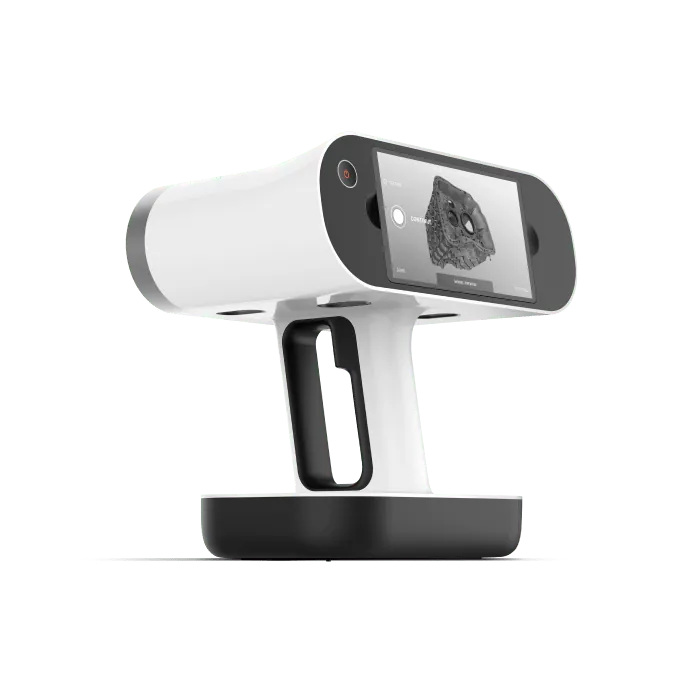
Artec Leo
- Best for
- Bodies, vehicles, evidence
- 3D point accuracy
- Up to 0.1 mm
- 3D resolution
- Up to 0.2 mm
- Capture
- Wireless, screen and processing onboard
- Capture speed
- Up to 35 million points/s (HD Mode)
Up to 0.1 mm point accuracy, 0.2 mm resolution. Validate on a reference bar at arm's length and on a vehicle-sized object for accuracy over distance.
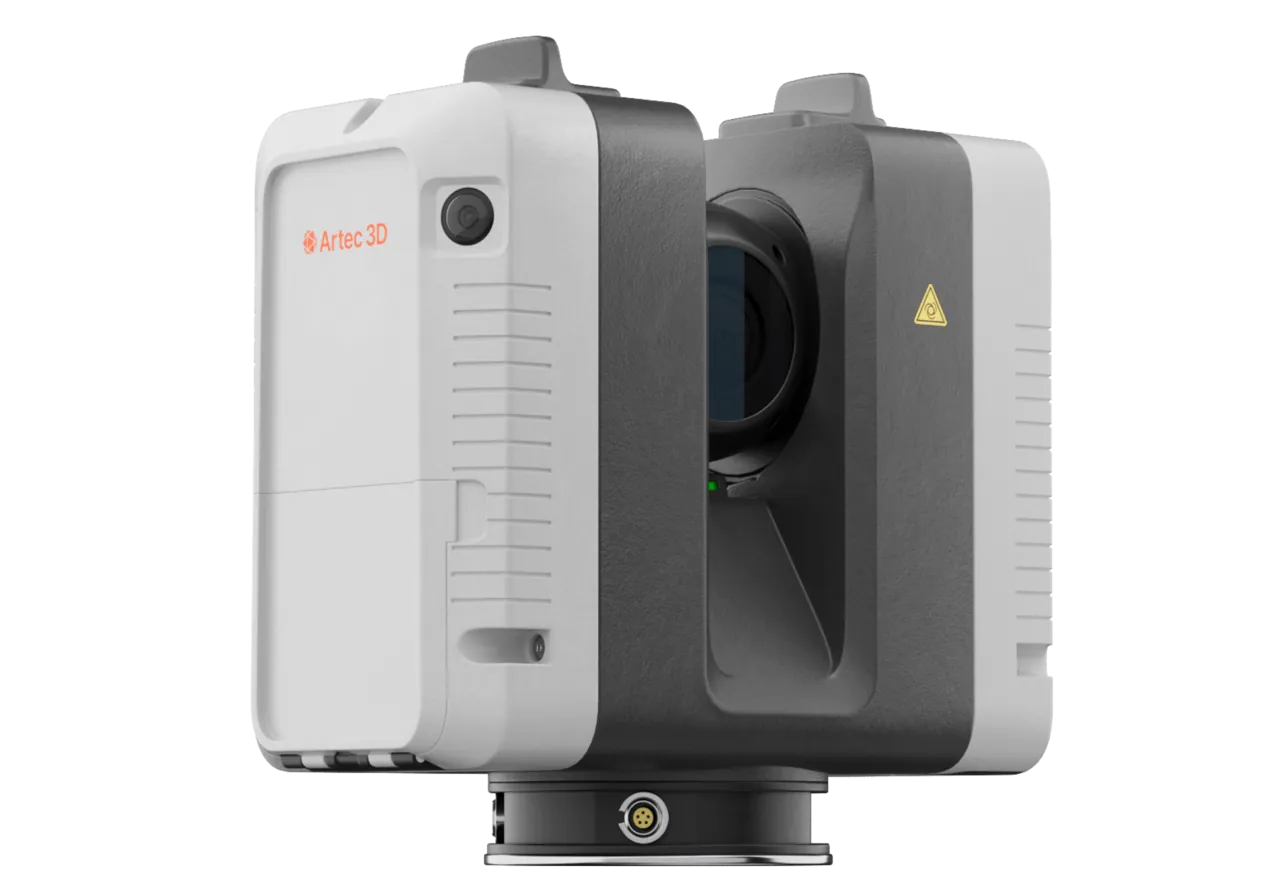
Artec Ray II
- Best for
- Scenes
- Accuracy
- 1.9 mm at 10 m
- Range
- 0.5–130 m
- Scan time
- About 1.7 minutes per position (2.7 with colour)
- Portability
- Wireless, tripod-mounted
1.9 mm at 10 m, 5.3 mm at 40 m. Validate at the distances your scenes actually span.
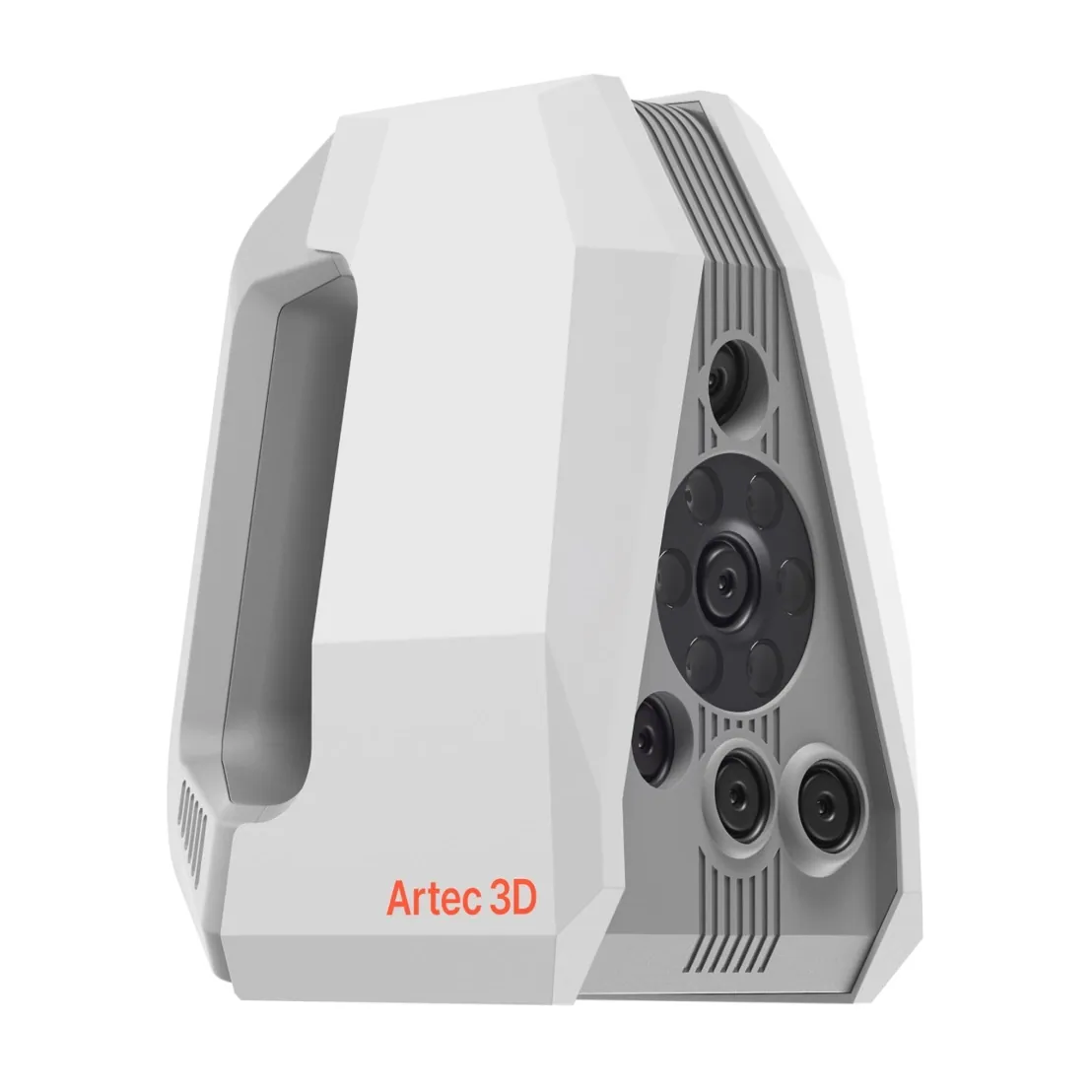
Artec Spider II
- Best for
- Fine detail
- 3D point accuracy
- Up to 0.05 mm
- 3D resolution
- Up to 0.05 mm
- Light source
- Blue structured light, no targets on the surface
- Portability
- Handheld, tethered to a laptop
Up to 0.05 mm, 0.05 mm resolution. Validate on a certified gauge block and on reference marks of known size.
Get support for a validation study that meets your accreditation requirements — talk to a forensic specialist.
Book a consultationQuestions practitioners ask
Does Artec provide validation data?
Artec publishes accuracy and resolution specifications per device. Your unit's validation tests them under your own conditions; partners support the study design.
How long does validation take?
A structured study is typically completed in days of scanning and analysis, not months. Writing the SOP takes as long as your unit's documentation process requires.
Does it need to be repeated?
Per-case verification against a known distance is written into the SOP. Full revalidation is done when a device, software version or procedure changes materially.
Is this required for accreditation?
Accreditation bodies generally require a validated, documented method, an estimate of measurement uncertainty and traceable references. The study and SOP described here are the core of that for 3D scanning.

Tell us about the work you do
A forensic application specialist will come back with the device that fits it, the accuracy to expect at that scale, and how the data reaches your existing workflow.