
Training & Deployment
The device is the easy part. Deployment is training, an SOP, supervised first cases and a storage plan — and it decides whether the scanner is used or sits in a case.
Units that follow the sequence move to unsupervised live scenes once the validation study and SOP are signed off.
 No sensitive case details required.
How long does it take to deploy 3D scanning in a forensic unit?
Capture basics are taught in a day of hands-on training with an Artec partner, and most operators are confident after a few days of practice; processing competence builds over the first supervised cases; units work unsupervised once the validation study and SOP are signed off and storage is in place.
 A day for capture basicsLeo shows coverage on its screen; most operators are confident after a few days of practice.
 Processing over first casesAutopilot handles the sequence; expertise builds with real data.
 SOP before live useWritten, validated, and followed from the first scene.
 Storage plannedScan data is large; the archive is sized before the first case.
The sequence that gets a unit to unsupervised use
Capture is learned quickly. Artec Leo has a screen and processes onboard, so an operator sees coverage as they scan; a day of hands-on training with an Artec partner teaches what a complete capture looks like, and most operators are confident after a few days of practice. Ray II is a tripod and a button. Spider II needs more care at close range; a day covers the basics.
Processing takes longer to master, and does not need to be mastered before the first case. Artec Studio's Autopilot runs registration, fusion and cleanup with a few questions about the object; the manual tools are learned over the first supervised cases with real data. Meanwhile the SOP — written from the validation study — fixes how capture is logged, how processing runs and what is verified, so the first live scene is done to procedure rather than to memory.
The parts that units underestimate are storage and roles. Scan projects are large; the archive must be sized for them and wired into evidence management before the first case. And one or two named operators trained thoroughly deploy better than a whole unit trained lightly.
From delivery to unsupervised use
Five stages. The pace is set by the validation study and the SOP sign-off.
- 1. Capture trainingA day with an Artec partner on the device, on realistic material.
- 2. Processing trainingAutopilot first; manual tools over the first supervised cases.
- 3. Validate and write the SOPReference objects, repeatability, fixed processing, disclosure procedure.
- 4. Prepare storageArchive sized and connected to evidence management.
 5. Supervised first casesLive scenes with a partner or an experienced operator, then sign-off.
Which scanner for this work
Devices differ in how much there is to learn. Leo is deliberately the easiest.
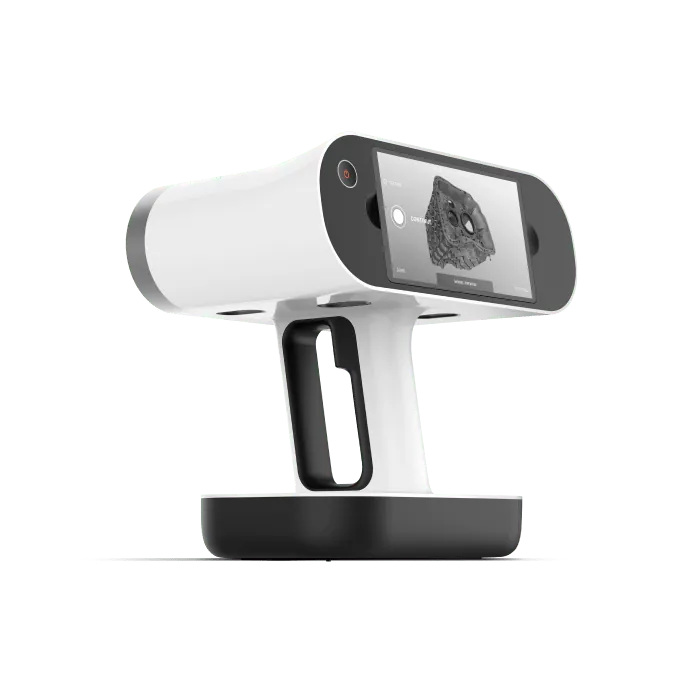
Artec Leo
- Best for
- Easiest to deploy — screen and processing onboard
- 3D point accuracy
- Up to 0.1 mm
- 3D resolution
- Up to 0.2 mm
- Capture
- Wireless, screen and processing onboard
- Capture speed
- Up to 35 million points/s (HD Mode)
Coverage is visible as you scan, so a new operator knows when the capture is complete. No laptop to configure, no cables. Many units train on Leo first.
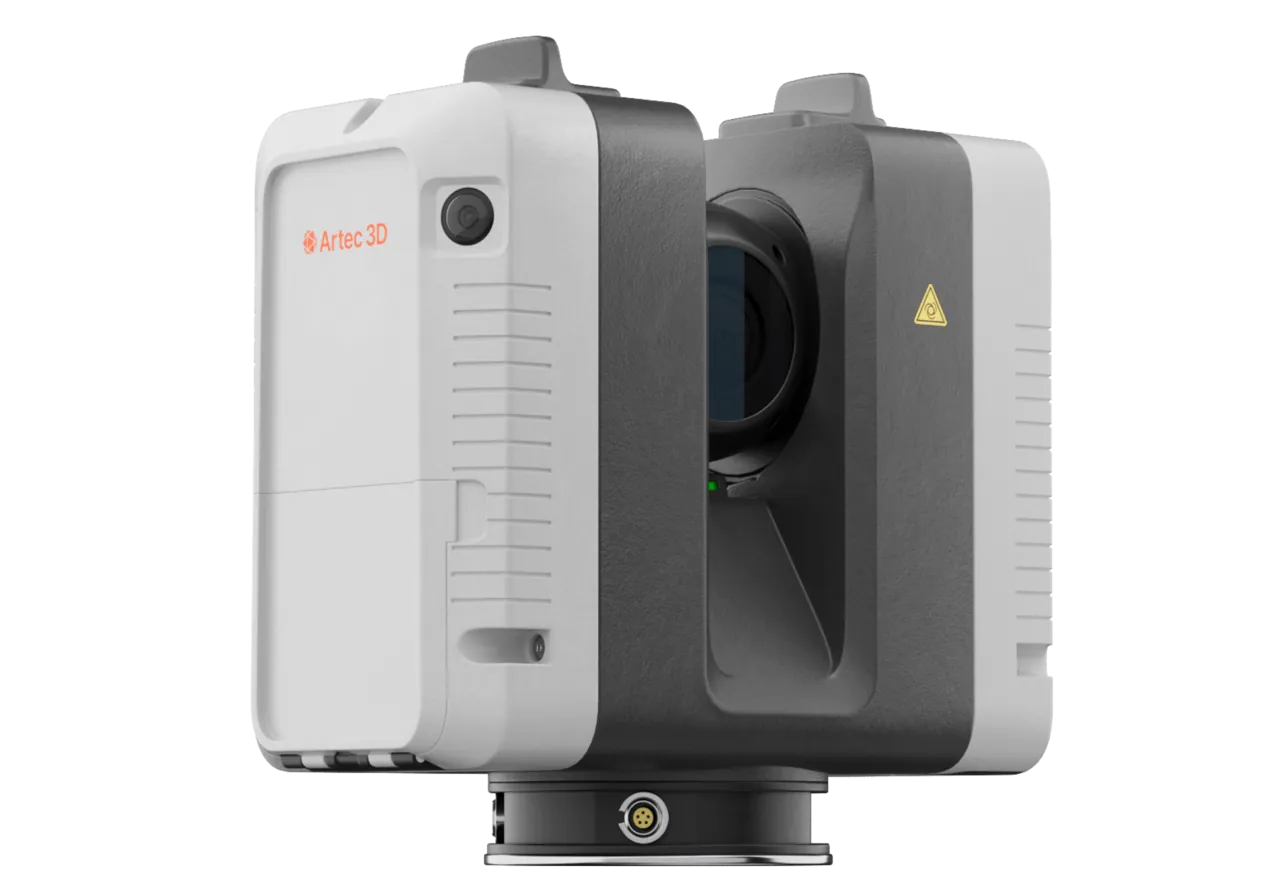
Artec Ray II
- Best for
- Tripod capture with minimal operator input
- Accuracy
- 1.9 mm at 10 m
- Range
- 0.5–130 m
- Scan time
- About 1.7 minutes per position (2.7 with colour)
- Portability
- Wireless, tripod-mounted
Set up, level, start; about 1.7 minutes per position. The learning is in planning positions for overlap, and the basics come in a day.
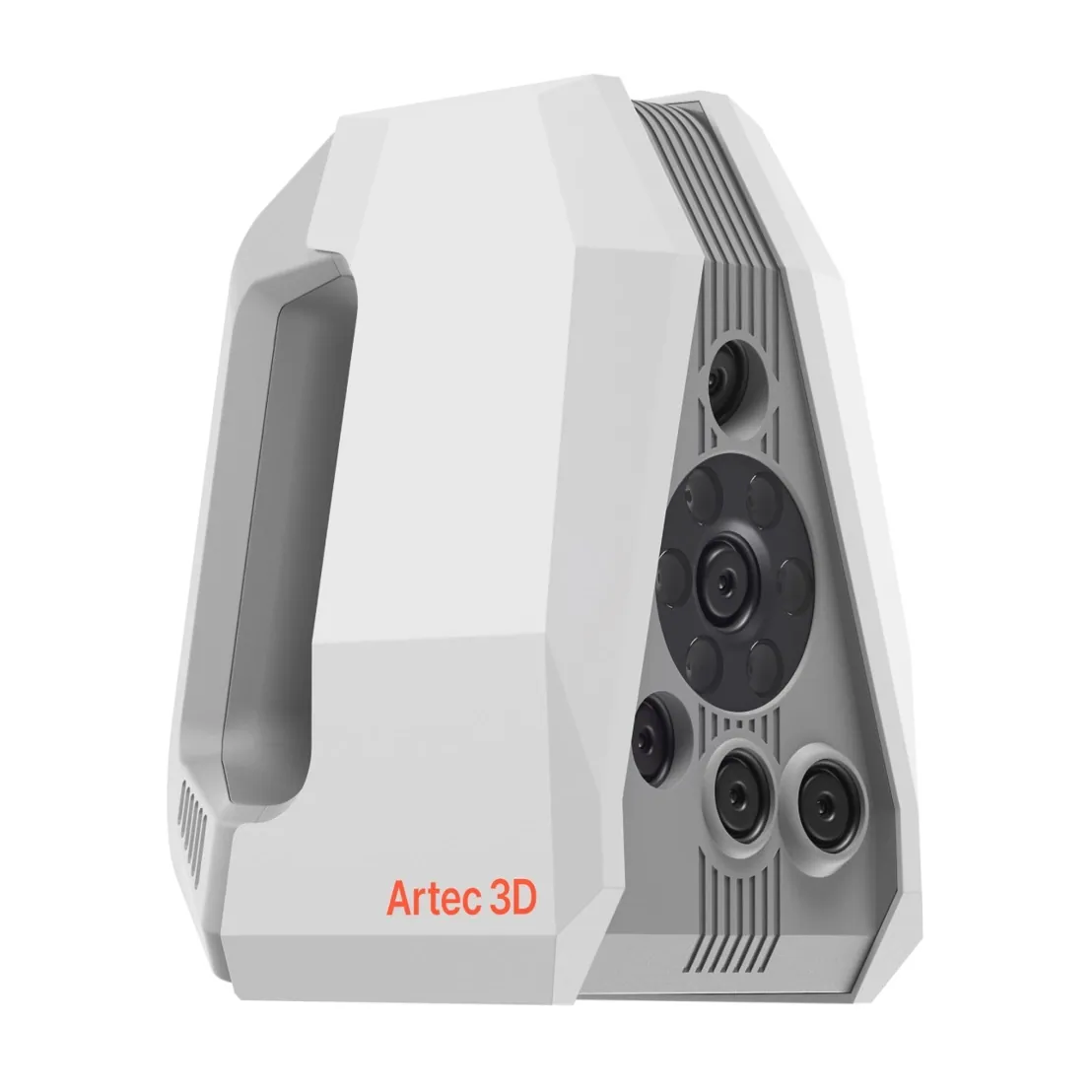
Artec Spider II
- Best for
- Close-range detail — the most technique-dependent
- 3D point accuracy
- Up to 0.05 mm
- 3D resolution
- Up to 0.05 mm
- Light source
- Blue structured light, no targets on the surface
- Portability
- Handheld, tethered to a laptop
Fine-detail capture rewards a steady hand and a planned path. A day of training covers the basics; practice and the first cases build the feel.
Get a deployment plan for your unit — devices, training days, SOP and storage — from a forensic specialist.
Book a consultationQuestions practitioners ask
How many people should be trained?
One or two named operators trained thoroughly, with a wider group given awareness training, deploys better than everyone trained lightly. Expand as demand grows.
Is training included?
Training with an Artec partner is part of the configuration quote; the number of days depends on devices and the unit's starting point.
Do we need a powerful computer?
For processing large scene projects, yes — Artec publishes recommended specifications. Leo processes onboard for preview, so the workstation is for final processing.
What goes wrong in deployments?
Storage not planned, the SOP written after the first case instead of before, and too many operators trained too lightly. All three are avoidable.

Tell us about the work you do
A forensic application specialist will come back with the device that fits it, the accuracy to expect at that scale, and how the data reaches your existing workflow.