
Forensic Scanner Cost
A forensic scanning system is a capital purchase, and the number depends on what the unit needs it to do. The other side of the ledger is easier to see once you look for it.
Scene closures, casting, total station hours, documentation backlog and the scene you cannot go back to — those are the costs a scanner can reduce.
 No sensitive case details required.
What does a forensic 3D scanner cost?
The price depends on device class — handheld, fine-detail, tripod or desktop — plus Artec Studio and training; Artec lists recommended retail prices per device, and a specialist quotes for the whole configuration. Against it: vehicle inspection scans cut from three to four hours to under one in a documented case, casting made optional, and measurements that no longer require re-attendance.
 Device classHandheld, fine-detail, tripod or desktop — the main driver.
 SoftwareArtec Studio, with the export formats your downstream tools need.
 Training and validationA day of capture training; validation on your own cases.
 What it can reduceScene closures, casting, station hours, backlog, re-attendance.
What drives the number, and what sits against it
The largest driver is device class. A wireless handheld for bodies and vehicles, a fine-detail handheld for marks and wounds, a tripod laser scanner for scenes and a desktop scanner for bench items are different instruments at different prices, and many units start with one. As a rule of thumb the total rises from a single handheld, to a handheld plus a tripod scanner, to a multi-device kit with a desktop scanner for the bench. Artec Studio is the processing software for all of them; training with an Artec partner is typically a day for capture, with processing competence building over the first cases. Artec lists recommended retail prices per device, but a unit's total depends on the configuration — devices, software, accessories and training — so a specialist quotes for the whole kit.
The other side of the ledger is where a business case is made. Origin Forensics reported vehicle inspection scans falling from three to four hours with a tripod laser scanner to under one with Artec Leo — time that goes back into the rest of the vehicle inspection. The University of Toronto recorded 26 minutes against 54 to document 11 simulated injuries on a live participant. Casting materials and the time each cast takes are saved wherever scanning replaces a cast. Total station time shrinks to survey control, where that is still needed. And the cost that never appears in a budget line — the measurement that was not taken, the scene that cannot be revisited — becomes a query on a model.
A specialist will put a number on a configuration for your unit's work. The comparison is then against what your unit currently spends to document a scene, not against zero.
Building the business case
Five lines to fill in from your unit's own records.
 1. Scene hoursOfficer hours per scene, and closure time on roads and premises.
 2. ConsumablesCasting material, the time each cast takes, and the failures.
- 3. Office timeDrawing plans from points; documentation backlog.
 4. Re-attendanceScenes revisited for a measurement, and scenes that could not be.
 5. Configuration quoteDevice, software and training for your case mix, from a specialist.
Which scanner for this work
Device class is the main cost driver. Start with the one your most common case needs.
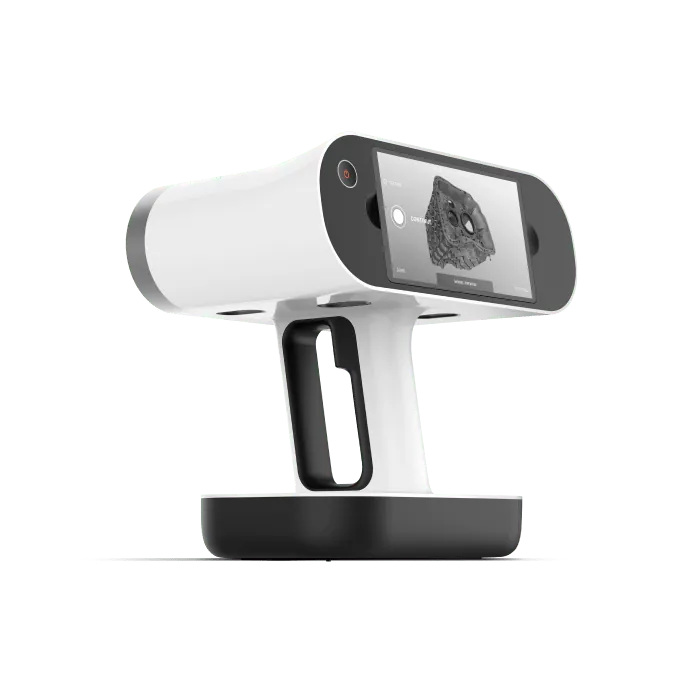
Artec Leo
- Best for
- Handheld for bodies, vehicles and evidence
- 3D point accuracy
- Up to 0.1 mm
- 3D resolution
- Up to 0.2 mm
- Capture
- Wireless, screen and processing onboard
- Capture speed
- Up to 35 million points/s (HD Mode)
A common first purchase for scene units: wireless, up to 0.1 mm, screen onboard. One device covers most of what is in a room.
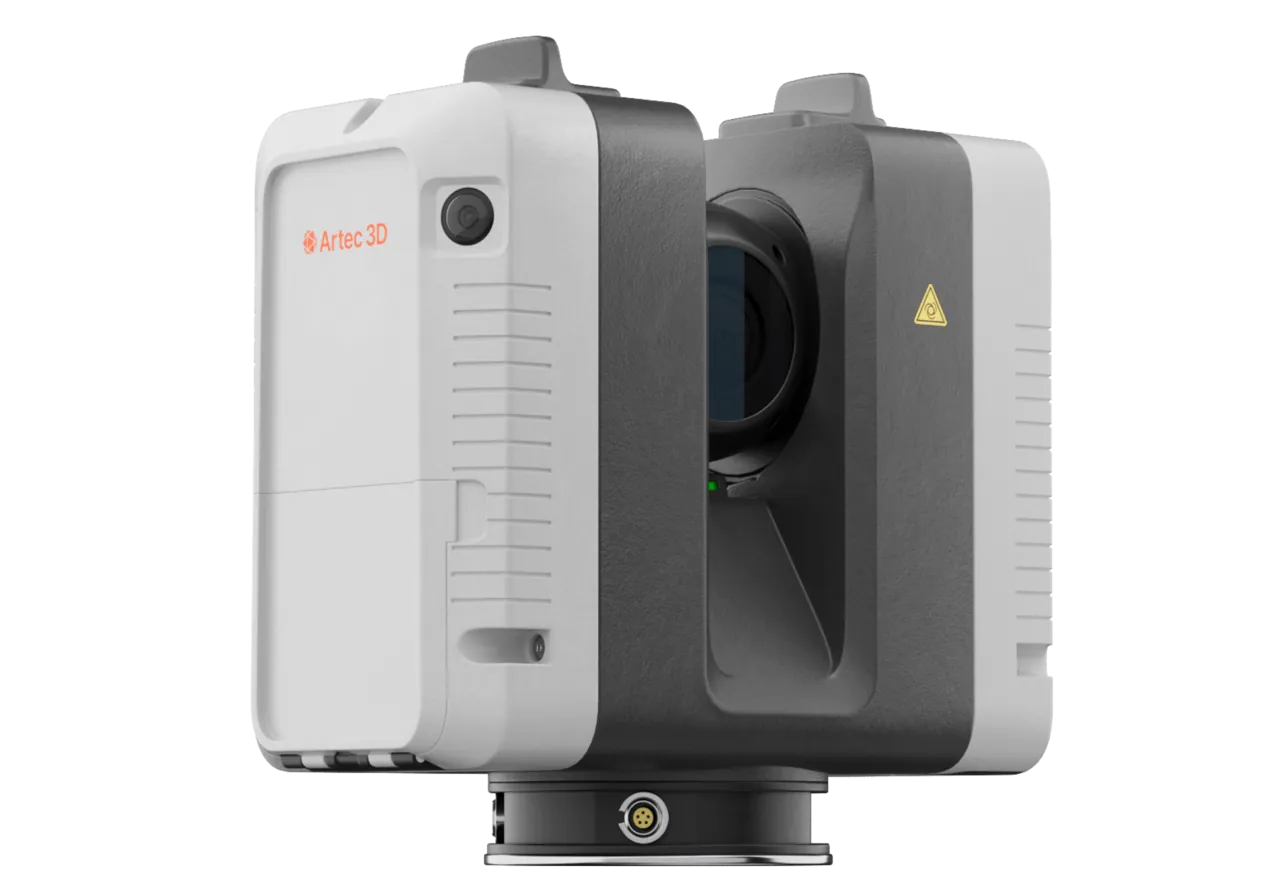
Artec Ray II
- Best for
- Tripod scanner for scenes
- Accuracy
- 1.9 mm at 10 m
- Range
- 0.5–130 m
- Scan time
- About 1.7 minutes per position (2.7 with colour)
- Portability
- Wireless, tripod-mounted
A common first purchase for units whose work is the room, the road or the structure — up to 130 m range, about 1.7 minutes per position.
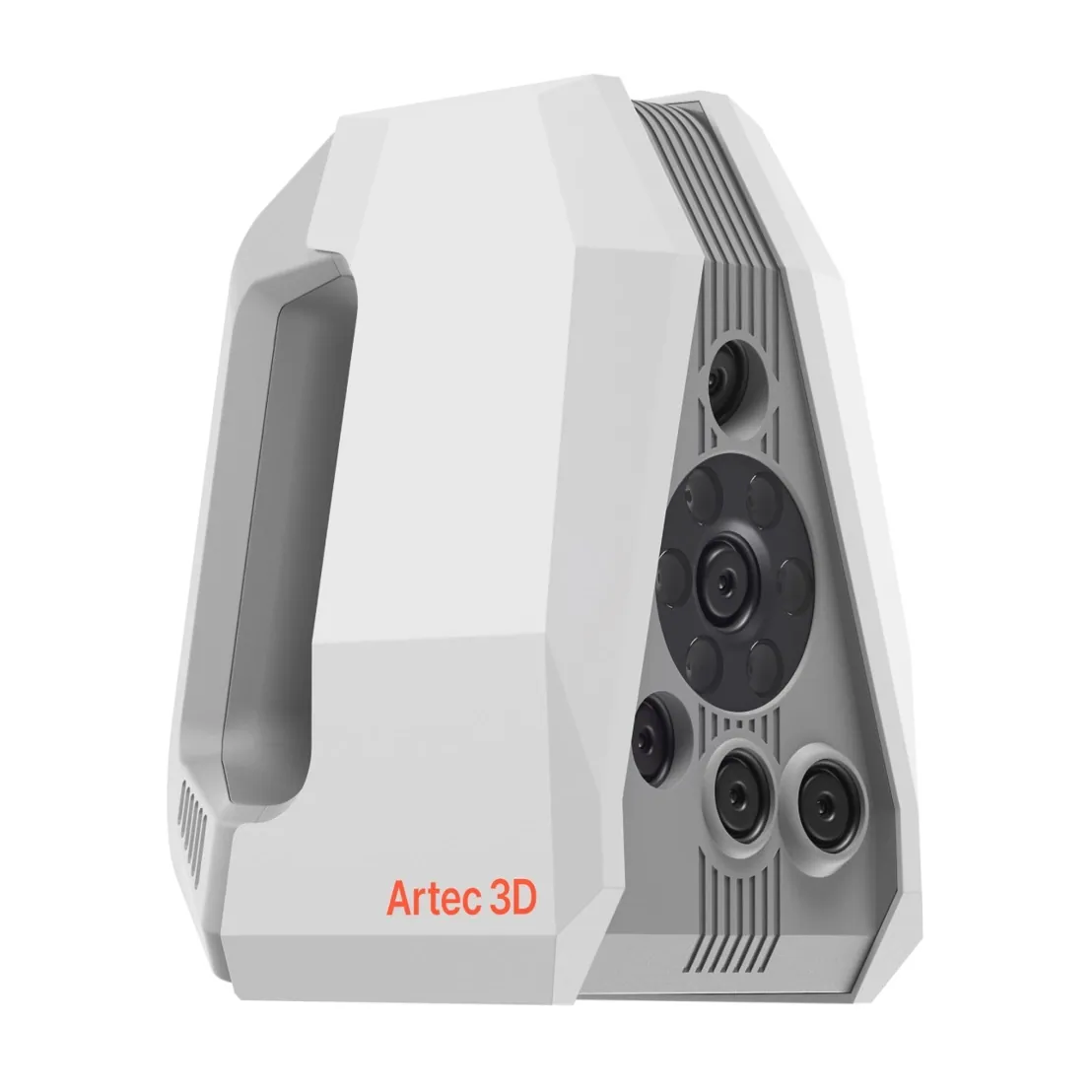
Artec Spider II
- Best for
- Fine detail for marks, wounds and bone
- 3D point accuracy
- Up to 0.05 mm
- 3D resolution
- Up to 0.05 mm
- Light source
- Blue structured light, no targets on the surface
- Portability
- Handheld, tethered to a laptop
Added, or bought first by laboratories, where 0.05 mm is the job.
Get a configuration and a quote for your unit's case mix — and a demo before you decide.
Request a quoteQuestions practitioners ask
Why ask for a quote?
Artec lists recommended retail prices per device, but your total depends on the configuration — device class, software, accessories and training — so a specialist quotes for what your work actually needs.
What is the typical payback?
It depends on scene volume and what you replace. Units that document many vehicle or homicide scenes look for it in scene hours and overtime; laboratories look for it in casting and re-examination. Share your figures when you request a quote.
Is software an annual cost?
Artec Studio licensing options are explained in the quote for your configuration.
Can we start with one device?
Yes, and many units do. The first device is the one your most common case needs; others register into the same software when added.
Request a configuration quote
Tell us what your unit documents most and how often. A forensic specialist will come back with a configuration, a quote and a demo on your own material.