
Industrial Accident Investigation
After a workplace accident, the site has to be recorded before it is made safe and before production resumes — two pressures that both remove evidence.
3D scanning records the machinery, its guarding, the surroundings and the position of everything in one visit, as geometry an investigation and a hearing can measure.
 No sensitive case details required.
How does 3D scanning support an industrial accident investigation?
The machine, guarding, access routes and the position of every object are recorded as one measured dataset before the site changes — so reach distances, gaps and sightlines are measured afterwards.
 Plant and machine togetherThe equipment and the space around it in one model.
 Gaps and reachGuard openings, reach distances and clearances measured, not estimated.
 Before restartThe site as it was at the time, kept.
 For the hearingMeasurements that can be repeated by anyone with the file.
Why an industrial scene is under more pressure than most
An industrial accident scene is also a workplace that needs to restart. Once the site is released — by the regulator, where the law requires it — guards are replaced, machines are moved and the floor is cleaned, often within hours and for good reasons. Whatever was not measured before that is reconstructed from photographs and from witnesses who were there.
Artec Leo records a machine and its guarding at up to 0.1 mm, wirelessly, with no laptop to drag across a shop floor; Artec Ray II records the plant around it from a tripod in about 1.7 minutes per dome. Gap dimensions, reach distances, the position of controls and the location of every object are measured from the model afterwards.
For a regulatory investigation or a civil hearing, that is a record another expert can measure independently — which is a different position to defend than a set of photographs.
The workflow, end to end
Record before anything is made safe, if safety allows; from a distance if it does not.
- 1. Capture the areaTripod scans of the plant, access routes and surroundings.
 2. Capture the machineHandheld detail of guarding, openings, controls and the point of contact.
 3. MergeOne model of machine and surroundings in Artec Studio.
- 4. MeasureGaps, reach, clearances, positions — repeatably.
 5. ReportMeasurements and model into the investigation report and the hearing.
Which scanner for this work
The machine wants detail; the plant wants range.
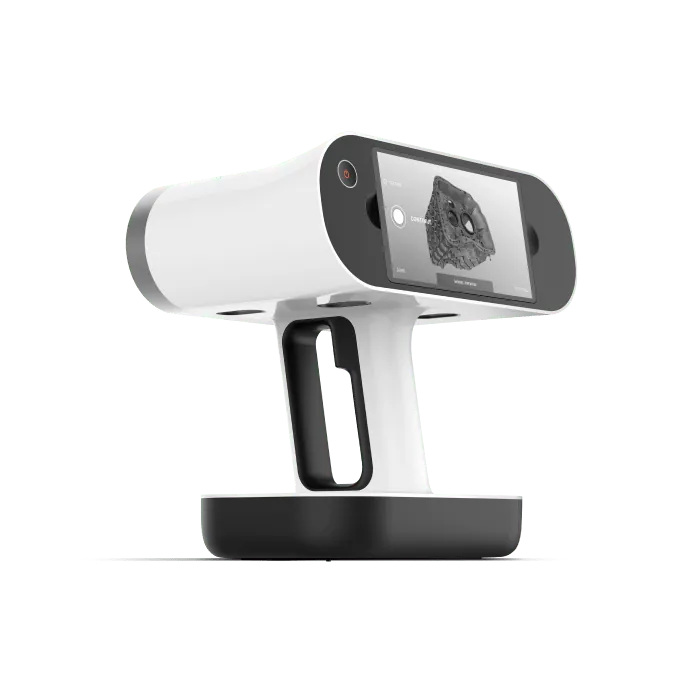
Artec Leo
- Best for
- The machine and its guarding
- 3D point accuracy
- Up to 0.1 mm
- 3D resolution
- Up to 0.2 mm
- Capture
- Wireless, screen and processing onboard
- Capture speed
- Up to 35 million points/s (HD Mode)
Leo records equipment at up to 0.1 mm without cables or a laptop, so an operator works around and inside it. HD Mode helps on dark and shiny metal.
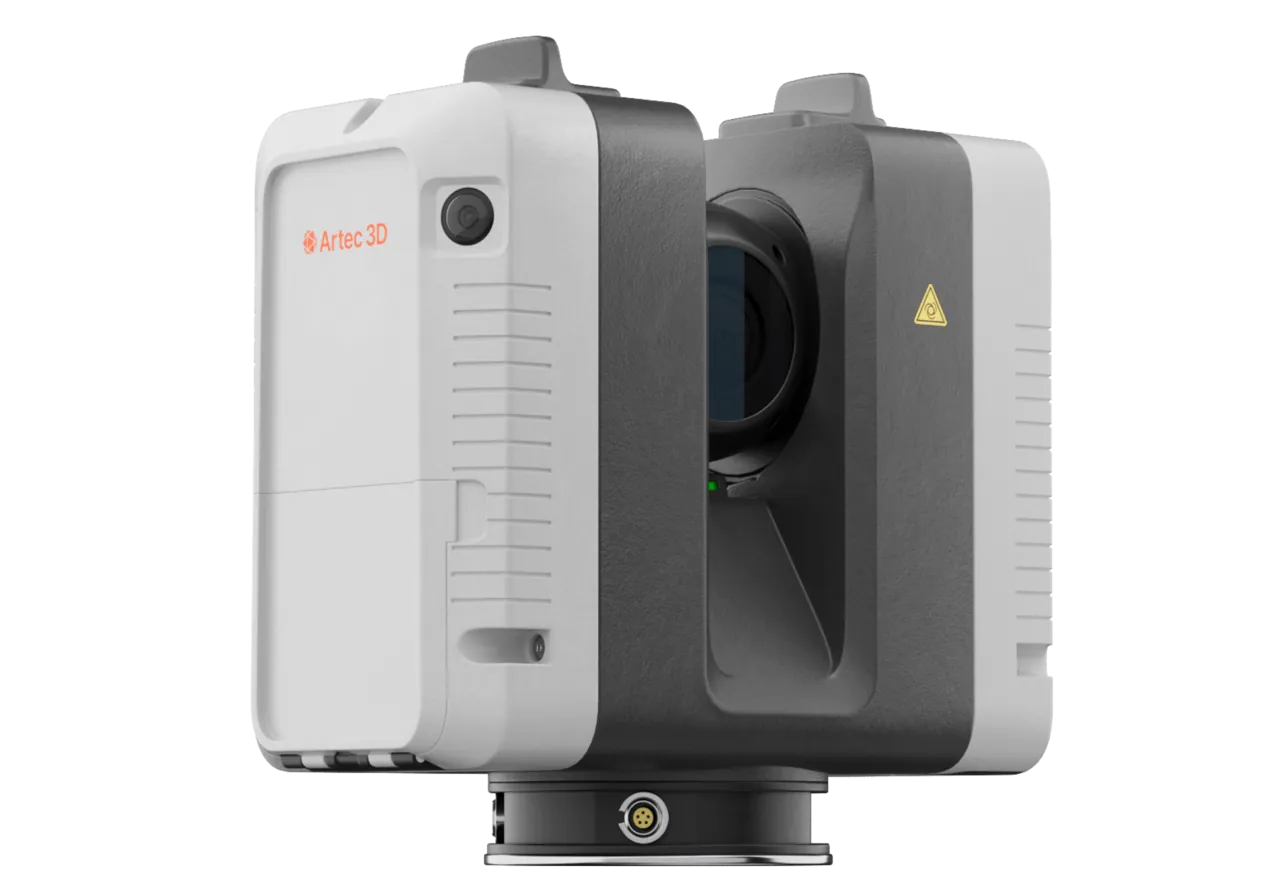
Artec Ray II
- Best for
- The plant around it
- Accuracy
- 1.9 mm at 10 m
- Range
- 0.5–130 m
- Scan time
- About 1.7 minutes per position (2.7 with colour)
- Portability
- Wireless, tripod-mounted
Ray II records the surroundings — access routes, sightlines from controls, adjacent equipment — from a tripod in about 1.7 minutes per dome, out to 130 metres.
See how a machine and its guarding are recorded before the plant restarts — book a demo for your investigators.
Book a demoQuestions practitioners ask
Can we scan while the area is still cordoned off?
Ray II records from a tripod outside the cordon, out to 130 metres; handheld detail follows once entry is authorised.
Are guard openings and gaps measurable from the scan?
Yes — from a scan with up to 0.1 mm point accuracy and 0.2 mm resolution, at any position the investigation later asks about.
Will the other side's expert accept it?
They receive the same file and take the same measurements. That is the point of a measured record.
How long does capture take?
About 1.7 minutes per tripod position (2.7 with colour), with several positions for a plant area; handheld time depends on the size and complexity of the machine. Capture is finished before the site restarts.
Related applications
Tell us about the work you do
A forensic application specialist will come back with the device that fits it, the accuracy to expect at that scale, and how the data reaches your existing workflow.