
Courtroom 3D Evidence
A court — judges, lay judges or a jury — is asked to understand a scene from photographs, a sketch and testimony. Each one is an interpretation, and a defence expert will say so.
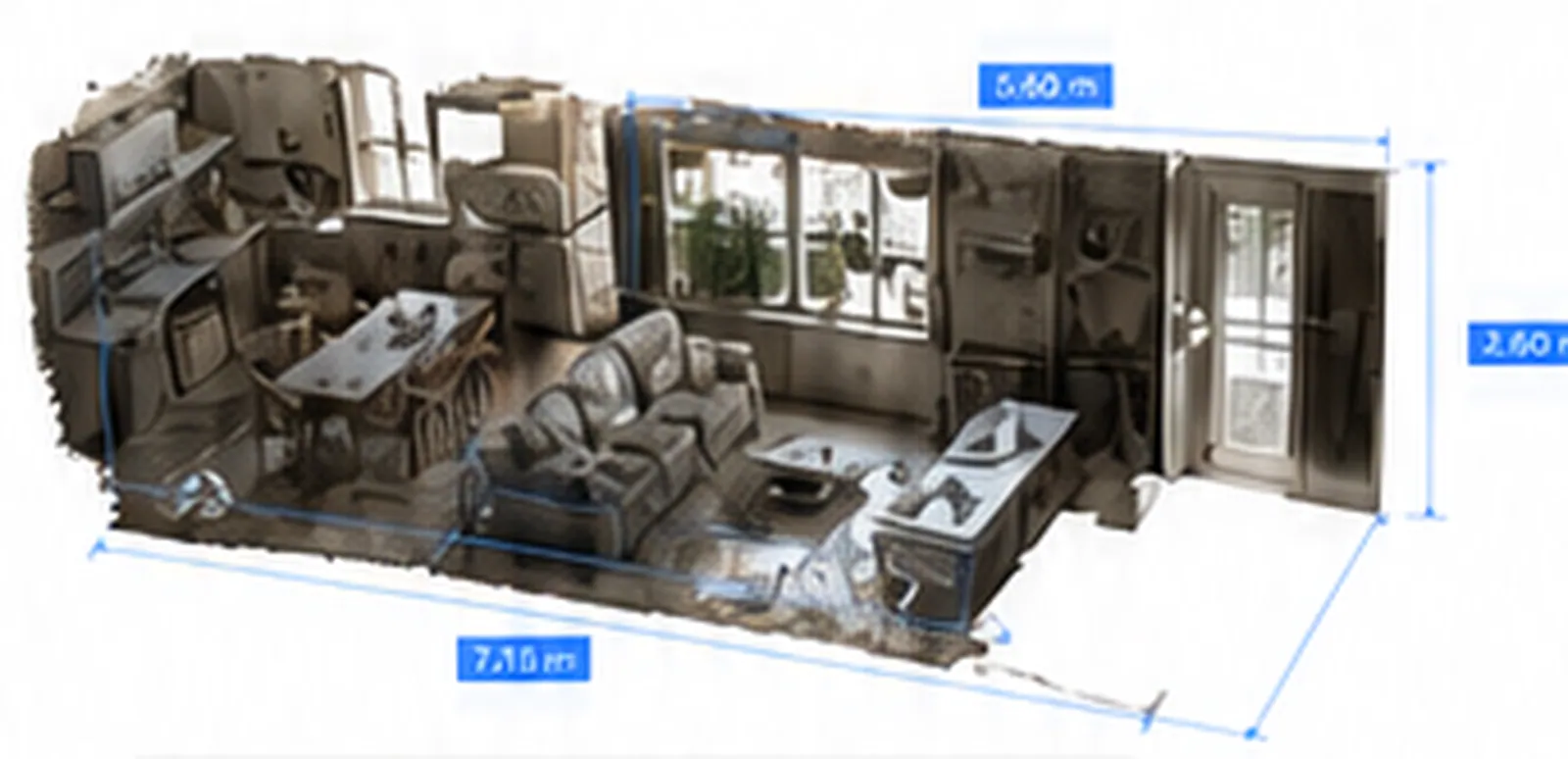
A 3D scan is a measured record of the scene. Shown as a model, a sightline or a fly-through, it orients the court quickly once the expert has explained how it was made — and both sides can measure the same file.
 No sensitive case details required.
What does a 3D scan add in court?
A measured model of the scene the court can be walked through — positions, distances and sightlines shown rather than described — and that opposing experts can examine on the same data.
 Seen in contextA jury or a judge sees the room, not just a floor plan.
 Measured, not drawnEvery distance is taken from data, not a sketch.
 Same file, both sidesThe defence expert measures what the prosecution measured.
 Questions in courtWhere the court allows it, a new question is checked on the disclosed model, not from memory.
Why a measured scene changes what happens in the courtroom
Scene evidence traditionally reaches the court as photographs, a scaled sketch and an officer's account. Judges or jurors assemble the scene in their heads, each differently. Cross-examination attacks the sketch's scale, the photograph's angle, the witness's memory of a distance.
A 3D scan replaces that assembly with a measured record of the scene: a model in which every captured point has a measured position. It is shown as a view from a witness's stated position, as a sightline from a doorway, as a fly-through, as a printed exhibit. When a new question arises during trial — could the witness have seen the door from there? — it can, where the court allows, be checked on the disclosed model rather than argued from memory.
What makes it defensible is method: a device with stated accuracy, capture parameters logged, processing documented, and a file the opposing expert examines independently. Artec Ray II and Artec Leo record scenes at stated accuracies; Artec Studio saves the scans with the project's history of changes, and because that history can be cleared, the unit also logs each processing step in its case notes.
From model to exhibit
Capture and processing are covered on their own pages. This is what happens between a finished model and the exhibit list.
 1. Fix the questionsWhat the court must understand: positions, distances, what could be seen from where.
- 2. Measure on the modelEach answer as a measurement, with the method and the tool recorded.
- 3. Choose the medium per questionA still view, a sightline, a fly-through, a section or a printed model — whichever the question needs.
 4. Disclose the model earlyThe file to the other side before trial, so the exhibit surprises nobody.
- 5. Rehearse the challengeEvery exhibit traceable to the file, every figure to the device specification.
Which scanner for this work
The devices behind the exhibit — with the accuracy figures that will be asked about.
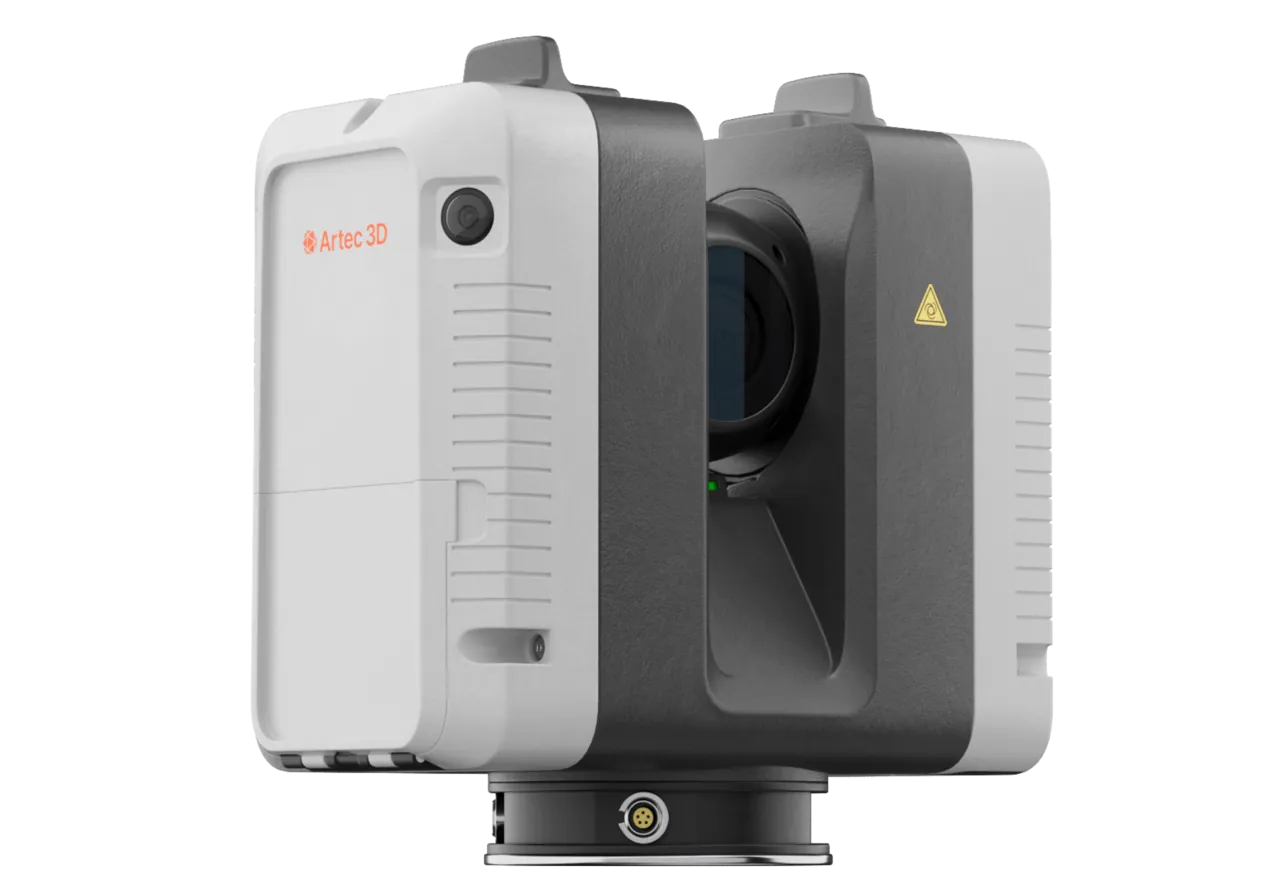
Artec Ray II
- Best for
- The scene as a whole
- Accuracy
- 1.9 mm at 10 m
- Range
- 0.5–130 m
- Scan time
- About 1.7 minutes for a full dome
- Portability
- Wireless, tripod-mounted
Ray II records rooms, buildings and outdoor scenes from a tripod with stated accuracy of 1.9 mm at 10 metres, in about 1.7 minutes per position (2.7 with colour). The measured model of the scene becomes the exhibit.
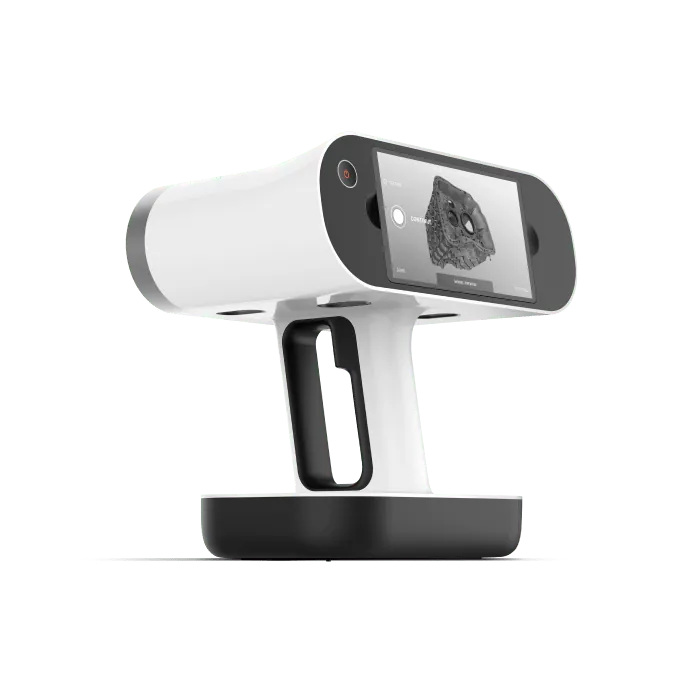
Artec Leo
- Best for
- Detail and evidence in position
- 3D point accuracy
- Up to 0.1 mm
- 3D resolution
- Up to 0.2 mm
- Capture
- Wireless, screen and processing onboard
- Capture speed
- Up to 35 million points/s (HD Mode)
Leo records bodies, vehicles and individual items at up to 0.1 mm point accuracy (0.1 mm + 0.3 mm/m over distance), registered into the scene, so a detail the court needs to see is shown in its measured place.
See how a scanned scene becomes an exhibit the court can follow — book a demo for your unit.
Book a demoQuestions practitioners ask
Is 3D scan evidence admissible?
Admissibility is decided by the court under its own rules and depends on method, qualification and disclosure, as with any technical evidence. Scan data has been used in courts in many jurisdictions; what makes it defensible is a documented, repeatable method.
How is it shown in court?
As still views, measured sightlines, a fly-through or a printed model — all produced from the same dataset, in Artec Studio or, for sightlines and animation, in the scene-analysis or presentation software your unit uses.
Can the defence examine the data?
Yes, and that is part of its strength. Once the file is disclosed, the opposing expert can measure the same model and either agree with the measurement or explain why not. It does not replace the defence's right to inspect the physical evidence.
What if a new question comes up during trial?
Where the court permits, it is checked on the disclosed model — a distance, a sightline, a position — rather than from memory or a return to a scene that no longer exists. Plan likely questions into the expert's disclosure, because new opinions raised at trial can be excluded.
Tell us about the work you do
A forensic application specialist will come back with the device that fits it, the accuracy to expect at that scale, and how the data reaches your existing workflow.