
Line-of-Sight Analysis
"Could they have seen it from there?" is a question about geometry — eye height, position, what stands in between. A photograph taken from roughly the right place is not an answer to it.
A 3D scan of the scene lets the question be tested on measured geometry: place the viewpoint, set the eye height, and see what is and is not visible.
 No sensitive case details required.
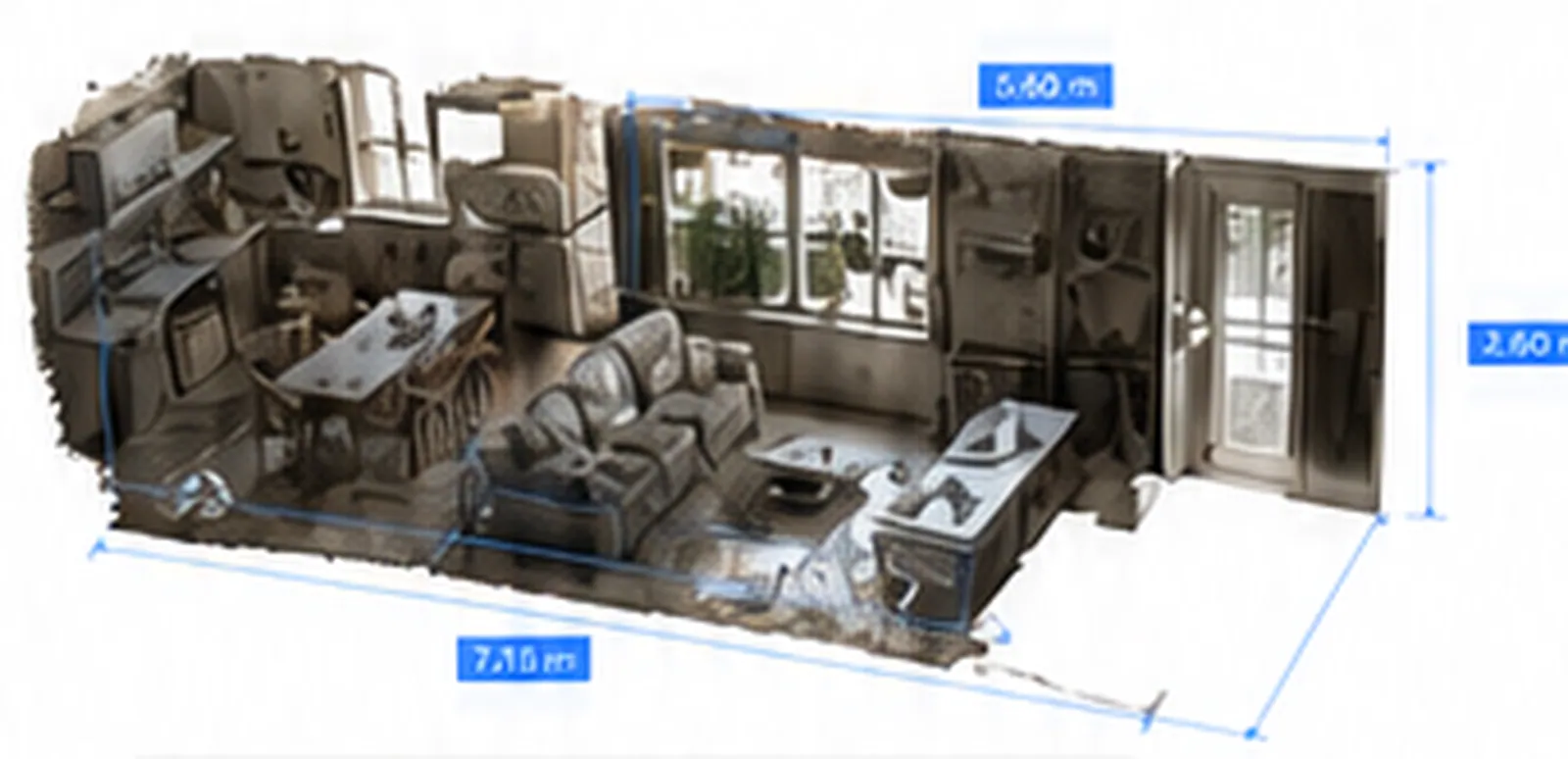
How is a line of sight established from a scan?
The scene is recorded as measured geometry; a viewpoint is placed at a stated position and eye height, and what is visible from it is derived from the model — repeatable by anyone with the file.
 Not a photographPerspective hides depth; a model does not.
 Stated eye heightThe viewpoint is set to the person's eye height, derived from their stature — not the photographer's.
 Obstructions in placeDoors, furniture and vehicles recorded where they were.
 Any viewpoint, laterA new witness account tested months on, on the same scene.
Why a photograph from the witness position is not enough
A photograph from where a witness stood is the traditional test, and it fails in predictable ways: the camera is not at the witness's eye height, the lens is not the eye, and the photograph flattens depth so that an obstruction that mattered — or did not — is impossible to judge. The result is an image that both sides describe differently.
A scanned scene records every surface in three dimensions. A viewpoint is placed at a measured position and a stated eye height, and visibility is derived from the geometry. The answer is a measurement that anyone can repeat on the same model, and it can be re-run for a different height, a different position or a door that was open rather than closed.
Because the scene is archived, an account that emerges later is tested on the same data — without a return to a room that has since been repainted.
The workflow, end to end
Record the scene once; test as many viewpoints as the case produces.
- 1. Capture the sceneRoom or exterior recorded on a tripod, including doors, windows and furniture as found.
 2. ProcessFuse the scans into one measurable model in Artec Studio.
- 3. Place the viewpointSet position and eye height from the statement or the measured location.
 4. Derive visibilityWhat is and is not visible from that point — computed in your scene-analysis package on the Artec Studio model, with the parameters recorded.
 5. PresentShow the view and the geometry behind it, side by side.
Which scanner for this work
Line of sight is a whole-scene question, so the scene scanner does most of the work.
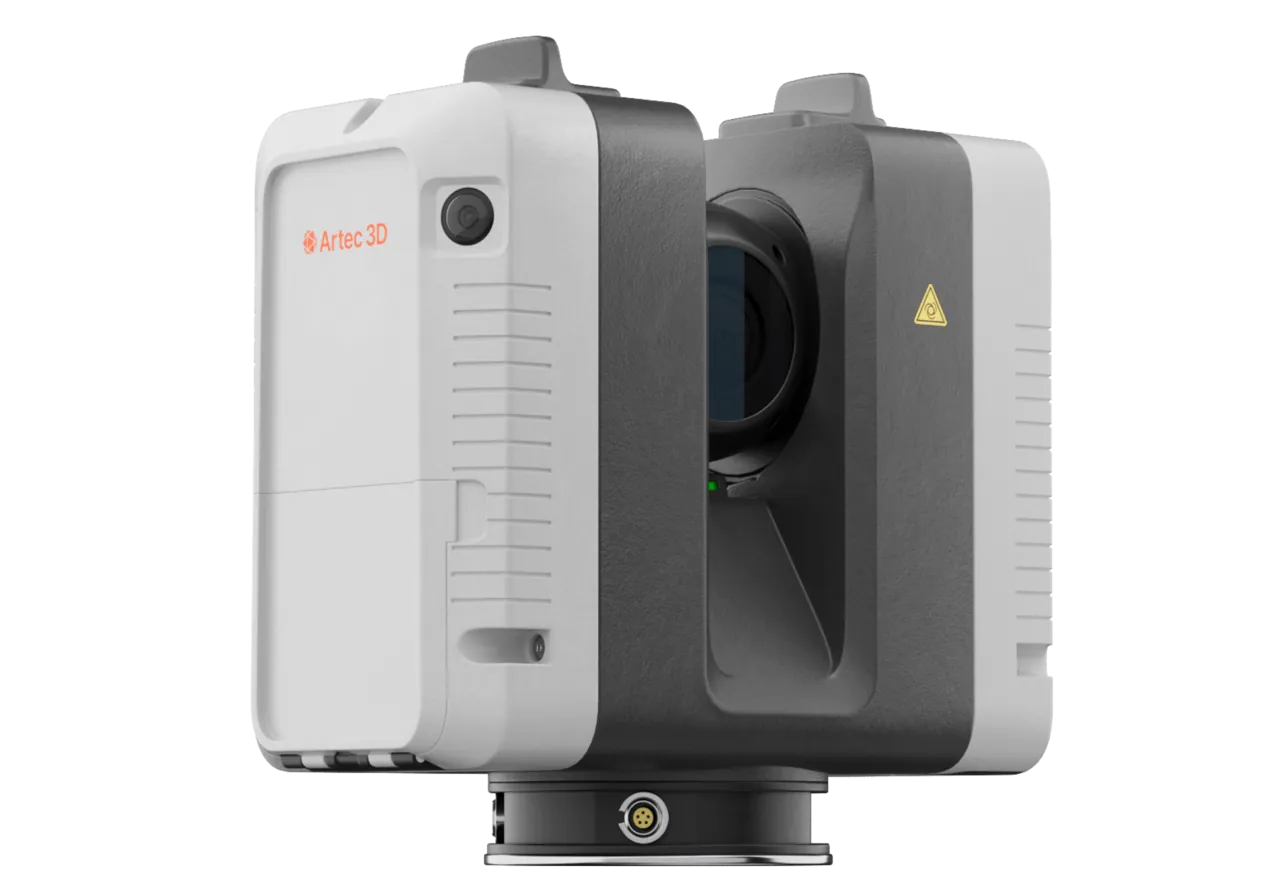
Artec Ray II
- Best for
- The whole scene, from the witness position to the far wall
- Accuracy
- 1.9 mm at 10 m
- Range
- 0.5–130 m
- Scan time
- About 1.7 minutes per position (2.7 with colour)
- Portability
- Wireless, tripod-mounted
Ray II records the room or exterior in about 1.7 minutes per position (2.7 with colour), out to 130 metres, with a 360° × 300° field from each position; a second position covers what a pillar or a door hides. That is the geometry a sightline is tested against.
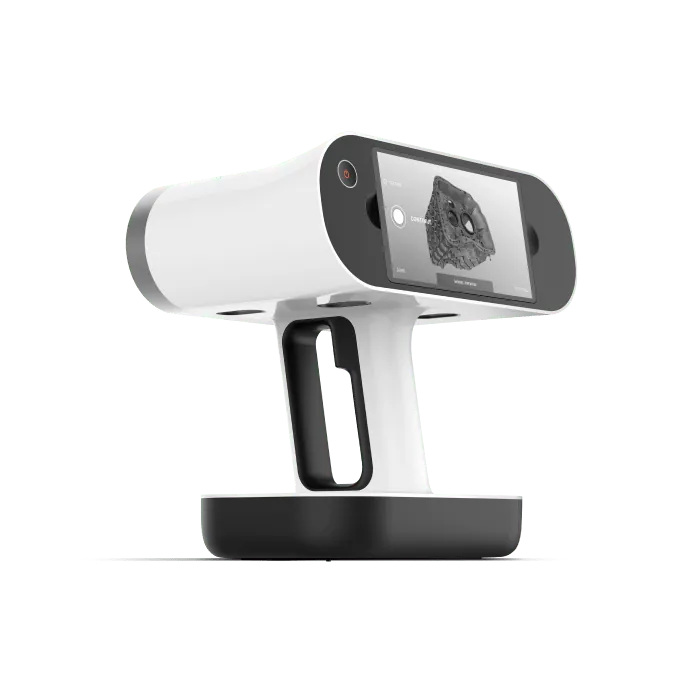
Artec Leo
- Best for
- Objects that decide the sightline
- 3D point accuracy
- Up to 0.1 mm
- 3D resolution
- Up to 0.2 mm
- Capture
- Wireless, screen and processing onboard
- Capture speed
- Up to 35 million points/s (HD Mode)
Where a particular object — a vehicle, a cabinet, a body — is the obstruction in question, Leo records it at up to 0.1 mm and registers it into the room, so its position and outline are measured rather than approximated.
See a witness sightline tested on a measured scene instead of argued from a photograph — book a demo.
Book a demoQuestions practitioners ask
Can we test a witness statement that arrives later?
Yes. The scene is archived as geometry, so a new position or height is placed on the same model without revisiting the scene.
How is the viewpoint height set?
From the person's measured or stated height, converted to eye height (in adults roughly 11–12 cm lower), applied to the model. The parameters used are recorded so the analysis can be repeated and challenged on the same basis.
Does lighting at the time matter?
Line of sight is a geometric question; illumination is a separate one. The model answers what could be in view; conditions such as lighting are addressed alongside it.
Is the result admissible?
It is a measurement on a recorded scene, repeatable by anyone with the file. As with all 3D evidence, admissibility rests with the court and on operator qualification and method.
Tell us about the work you do
A forensic application specialist will come back with the device that fits it, the accuracy to expect at that scale, and how the data reaches your existing workflow.