
3D Crime Scene Reconstruction
A reconstruction is an argument about what happened. Built on photographs, it rests on interpretation; built on a measured model, it rests on geometry anyone can check.
Position, distance, sightline and sequence are tested against the recorded scene rather than asserted — and the same model can become the exhibit.
 No sensitive case details required.
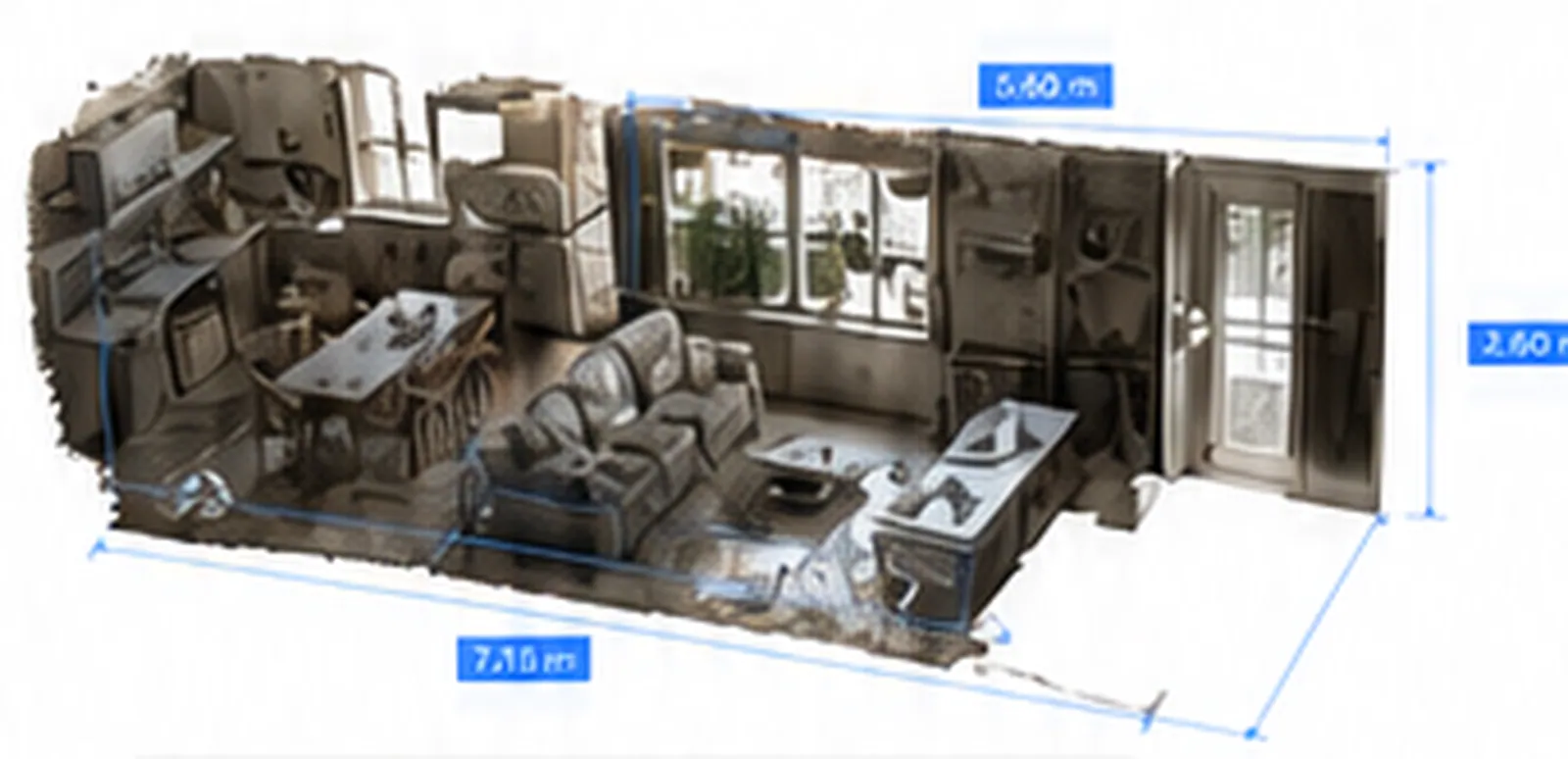
What does 3D scan data add to a reconstruction?
Measured geometry to test each hypothesis against: where a person could have stood, what they could reach, what they could see — derived from the scene, not from a photograph of it.
 Measured, not estimatedEvery distance and angle comes from the model.
 Hypotheses you can testTry a sequence against the geometry and see whether it fits.
 Revisit any timeA new theory months later is tested on the same data.
 One model, analysis to exhibitWhere the court allows it, the exhibit is the model the analysis was done on.
Why a reconstruction built on photographs is fragile
Photographs are taken from positions the photographer chose, at angles the photographer chose. Perspective compresses depth and hides what is behind an object. Two points that look adjacent may be metres apart. A reconstruction assembled from them inherits every one of those choices, and an opposing expert knows exactly where to press.
A scan involves far fewer framing decisions: everything in view of each scanner position is recorded as geometry. A reconstruction then becomes a set of measurements — could a person of this height reach that shelf, was the door open, what was visible from the window. Each is answered by a measurement anyone can repeat on the same file.
The model that supports the analysis can also be the model presented, where the court allows it, so what the expert measured and what the court is shown come from the same file.
The workflow, end to end
The scan is the input. Reconstruction is what is done with it.
 1. Capture the sceneWide and close-range scans registered into one model before anything is moved.
 2. Clean and alignArtec Studio fuses the captures and removes what is not scene — operators, equipment.
- 3. Measure the constraintsDistances, heights, angles and sightlines that bound what could have happened.
- 4. Test each hypothesisPlace people and objects in the model in the scene-analysis package your team uses, and check the account against the geometry.
- 5. PresentWalk the court through the model, with each measurement traceable to the file.
Which scanner for this work
Reconstruction needs the whole scene and the detail within it. That is a long-range scanner and a handheld one.
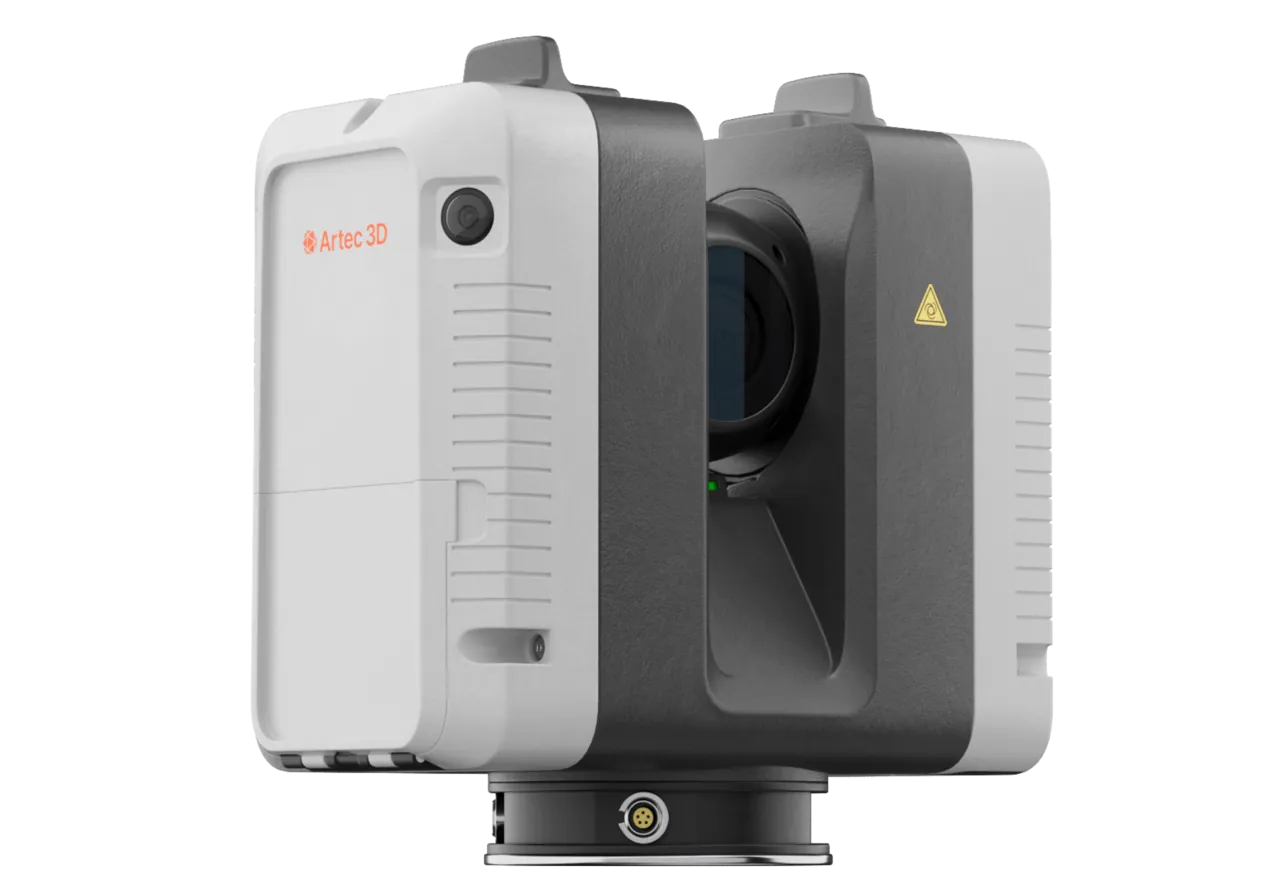
Artec Ray II
- Best for
- Scene geometry — the room every hypothesis is tested in
- Accuracy
- 1.9 mm at 10 m
- Range
- 0.5–130 m
- Scan time
- About 1.7 minutes per position (2.7 with colour)
- Portability
- Wireless, tripod-mounted
Ray II records the scene as a dense point cloud, from a tripod, in about 1.7 minutes per position (2.7 with colour). Its stated accuracy of 1.9 mm at 10 metres is the figure an expert cites, and its 360° × 300° field covers the room from each position; two or three positions fill in what a pillar or a door hides.
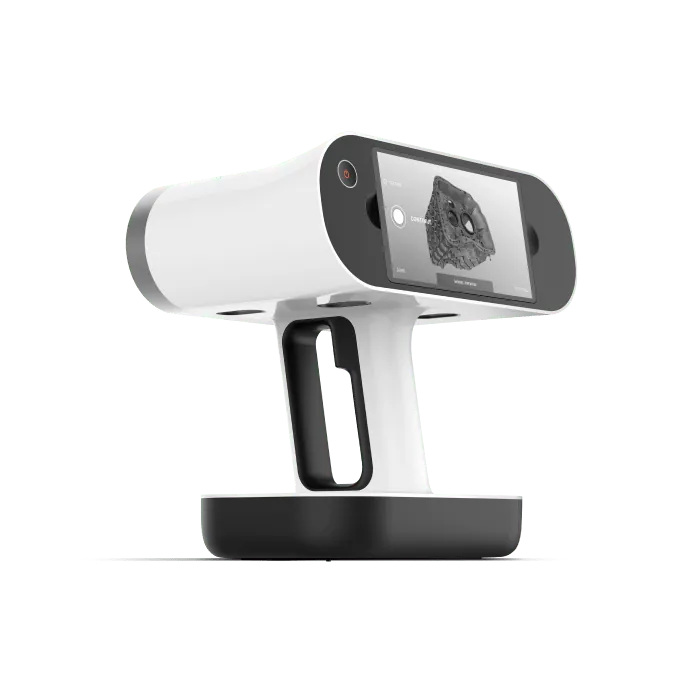
Artec Leo
- Best for
- Detail — positions, marks, the objects that anchor the account
- 3D point accuracy
- Up to 0.1 mm
- 3D resolution
- Up to 0.2 mm
- Capture
- Wireless, screen and processing onboard
- Capture speed
- Up to 35 million points/s (HD Mode)
Leo records the body, the weapon and the marks at up to 0.1 mm, wirelessly, and registers them into the room scan. The reconstruction then has both the space and the things in it, in one coordinate system.
See a crime scene reconstruction built from measured geometry, not interpretation — book a demo for your unit.
Book a demoQuestions practitioners ask
Is a 3D reconstruction admissible?
Scan models from Artec customers have been used in criminal cases, including a UK case where a scan-based report helped the defence and the defendant received a reduced sentence. Admissibility remains the court's decision and depends on operator qualification, a validated method and chain of custody — the same tests any reconstruction faces.
Can the opposing expert examine it?
Yes, and that is the strength. They receive the same dataset and can take the same measurements. A disagreement becomes a question of measurement rather than of whose photograph to believe.
Do we need the scene again for a new theory?
No. The scene is archived as geometry. A hypothesis raised months later is tested on the same model, without a return visit to a scene that no longer exists.
Which software does the reconstruction work in?
Artec Studio produces the measurable model and exports standard formats — OBJ, PLY, STL, E57 — so the reconstruction continues in the analysis package your team already validates.
Tell us about the work you do
A forensic application specialist will come back with the device that fits it, the accuracy to expect at that scale, and how the data reaches your existing workflow.