
Prosecutors / Legal Teams
A legal team does not operate a scanner. It decides what to ask for, what to disclose, which expert to brief and how the scene reaches the court.
This page is about those decisions. A 3D scan of the scene changes each of them: the exhibit is a measured record of the scene, and the other side holds the same file.
 No sensitive case details required.
 Quick to orientA jury or a judge sees the room, not just a floor plan.
 Measured, not drawnEvery distance from data, with a device accuracy the expert cites.
 Disclosure is the whole modelThe model in open formats plus the Artec Studio project; the defence measures the same thing.
 Questions during trialWhere the court allows, a new question is checked on the disclosed model.
The four decisions a legal team makes
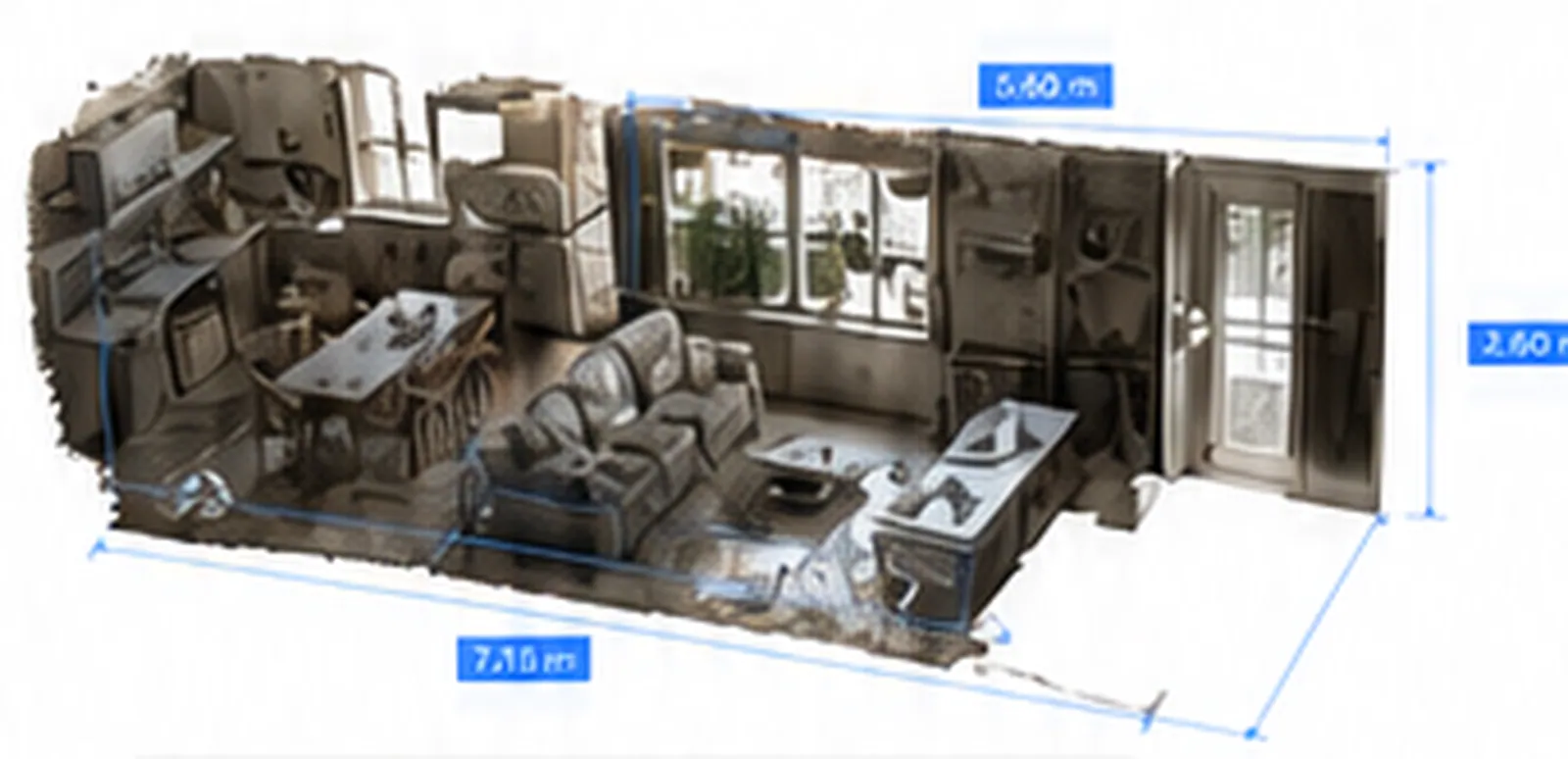

What to ask the scene unit for: The full scan project — raw scans, processing history and exports — not a set of renders.

What to put in disclosure: The model in open formats plus the Artec Studio project with its history, early, so the exhibit surprises nobody.
How to brief the expert: Device accuracy, capture parameters, verification on the scene — the questions cross-examination will ask.
How to show it: Still views, sightlines, a fly-through, a printed model — per question, from the same file.
Asking, disclosing, briefing, presenting
The first decision is what to request. A scene unit that scanned the scene holds a project — raw scans, the processing history and the exports — and the legal team should ask for all of it, not for renders. The courtroom 3D evidence page sets out what an exhibit built from it looks like; the chain of custody page sets out what the unit should be able to show about how the data was handled.
Disclosure follows. The model goes to the other side in open formats — E57, OBJ, PLY — with the Artec Studio project that holds its history, early enough that the exhibit surprises nobody; a defence expert who measures the same file and agrees with the distance has removed a line of cross-examination. Briefing the expert is then a matter of the questions they will face: device accuracy at the working distance, capture parameters, the verification performed on the scene — and likely trial questions planned into the expert's disclosure. The forensic experts and litigation page lists them.
Presentation is the last decision and the easiest: the medium follows the question. A sightline is shown as a view from the witness's stated position; a distance as a measured section; a whole scene as a fly-through; a fragile object as a printed replica. Whatever the court can display, the source is the same measured model.
Which scanner for this work
The instruments behind the exhibit, with the accuracy figures the expert will cite.
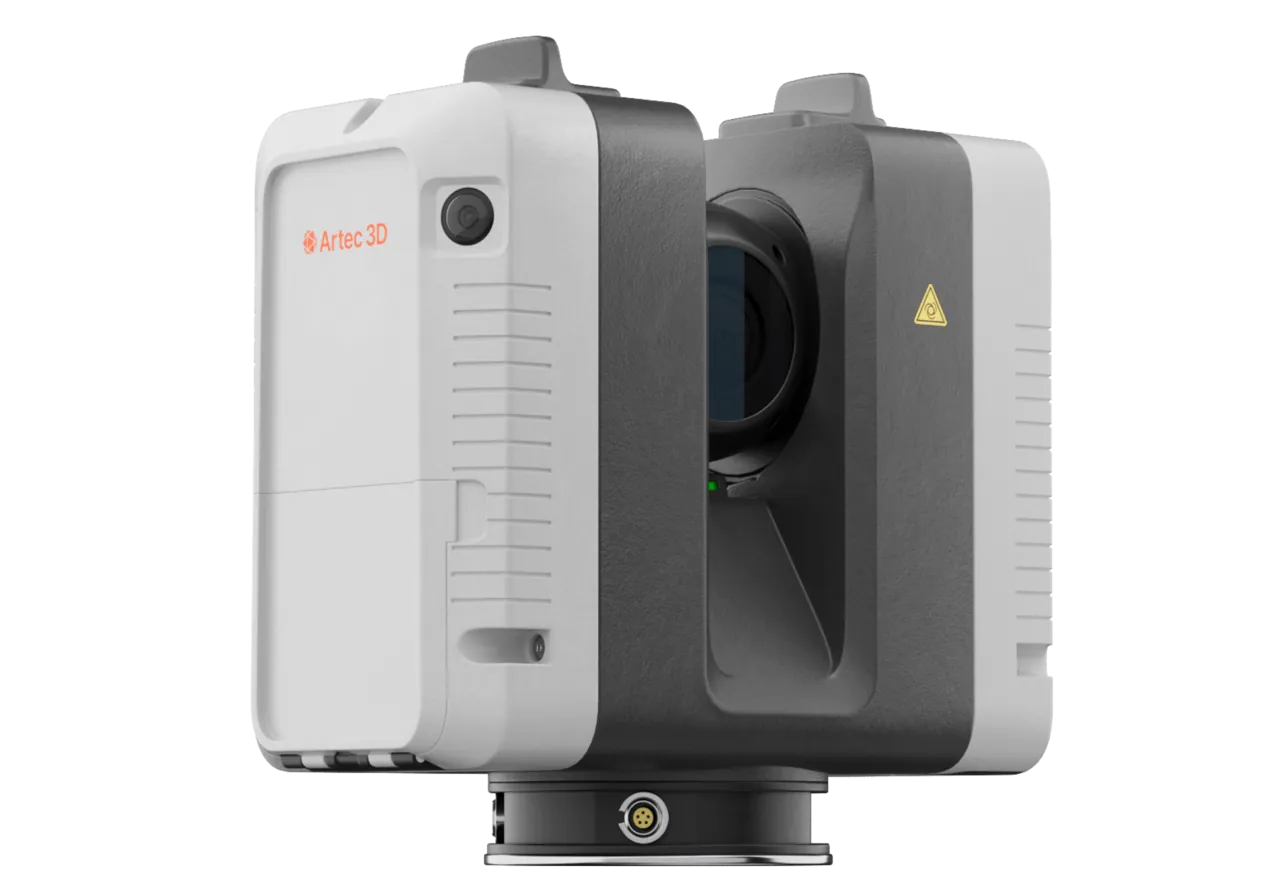
Artec Ray II
- Best for
- The scene
- Accuracy
- 1.9 mm at 10 m
- Range
- 0.5–130 m
- Scan time
- About 1.7 minutes per position (2.7 with colour)
- Portability
- Wireless, tripod-mounted
Stated accuracy 1.9 mm at 10 m; a dome in about 1.7 minutes (2.7 with colour); range to 130 m.
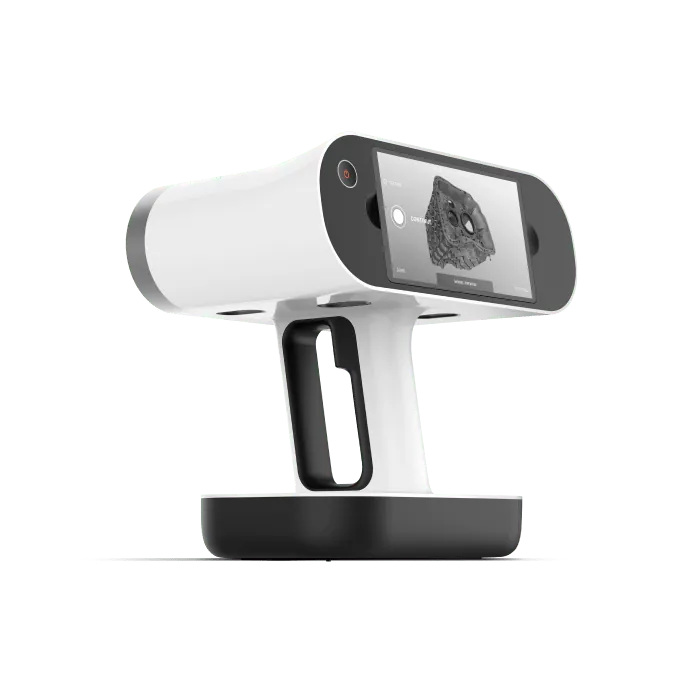
Artec Leo
- Best for
- Evidence and bodies in position
- 3D point accuracy
- Up to 0.1 mm
- 3D resolution
- Up to 0.2 mm
- Capture
- Wireless, screen and processing onboard
- Capture speed
- Up to 35 million points/s (HD Mode)
Up to 0.1 mm, registered into the scene so detail is shown where it was found.
See how a measured scene becomes an exhibit the court can follow and the defence can test — book a briefing for your team.
Book a briefingQuestions practitioners ask
Is 3D scan evidence admissible?
Admissibility is the court's decision under its rules on method, qualification and disclosure. Scan data has been presented in court proceedings; a documented, repeatable method is what makes it defensible.
What exactly should we request from the scene unit?
The full project: raw scans, processing history and exports in open formats, plus the unit's capture log and verification. Renders alone cannot be measured or checked.
What does the defence receive?
The model in open formats (E57, OBJ, PLY), plus the Artec Studio project that holds its processing history. They measure what your expert measured.
Can a question be answered during trial?
It can be, if the court allows it: a distance or a sightline is checked on the disclosed model rather than argued from memory. Plan likely questions into the expert's disclosure, because new opinions raised at trial can be excluded.
Tell us about the work you do
A forensic application specialist will come back with the device that fits it, the accuracy to expect at that scale, and how the data reaches your existing workflow.