
Clandestine Graves
A grave is excavated once. Each layer is destroyed as it is removed, and the position and orientation of everything in it is evidence that exists only until the trowel reaches it.
3D scanning records the excavation layer by layer, in the field, without cables — so the grave as it was found is kept as measurable geometry.
 No sensitive case details required.
How is a grave excavation recorded in 3D?
A wireless handheld scanner records each layer before it is removed and a long-range scanner records the site; the layers are registered into one model that holds every position and orientation.
 Layer by layerEach stage of the excavation kept before the next destroys it.
 Position and orientationBody position, artefacts and grave cut as measurements.
 Site contextThe grave in its landscape, approach routes and sightlines.
 No cables in the fieldHandheld, battery-powered, screen onboard.
Why excavation records are the hardest to defend
Forensic excavation is destructive by nature. The archaeological record — plans, section drawings, photographs — is made as the work proceeds, under time pressure, in weather, and it is the only record of what was in each layer. Anything not drawn or photographed is gone.
Artec Leo records a layer in minutes, wirelessly, with processing and display onboard: no laptop in the mud, no generator. Each layer is captured before it is removed and registered to the previous one, so the excavation is kept as a sequence of measured surfaces. Artec Ray II records the site around it from a tripod — the grave in its landscape, out to 130 metres.
Body position, artefact positions, the grave cut and the relationship between them are then measured after the fact. Dr Dennis Dirkmaat, while at Mercyhurst University, used Artec scanners at outdoor death scenes to record the bones and the scene around them.
The workflow, end to end
Site, then surface, then every layer, then the empty cut.
- 1. Record the siteTripod scan of the location, approaches and surroundings.
- 2. Record the surfaceGrave surface as found, before excavation begins.
- 3. Record each layerHandheld scan before each layer is removed; register to the last.
 4. Record the cutThe empty grave, for volume, shape and tool marks in its walls.
- 5. AnalysePositions, orientations, depths and the sequence of deposition.
Which scanner for this work
The field needs a scanner with no cables. The site needs range.
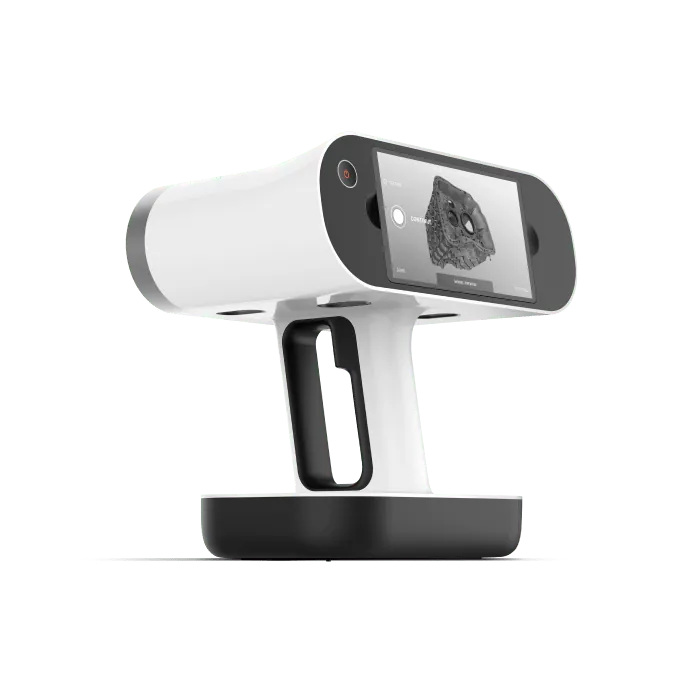
Artec Leo
- Best for
- The excavation, layer by layer
- 3D point accuracy
- Up to 0.1 mm
- 3D resolution
- Up to 0.2 mm
- Capture
- Wireless, screen and processing onboard
- Capture speed
- Up to 35 million points/s (HD Mode)
Leo runs on battery with processing and a screen onboard, so it works at a grave side with nothing else. Up to 0.1 mm, in colour, with coverage confirmed as you go. HD Mode helps on wet, dark soil.
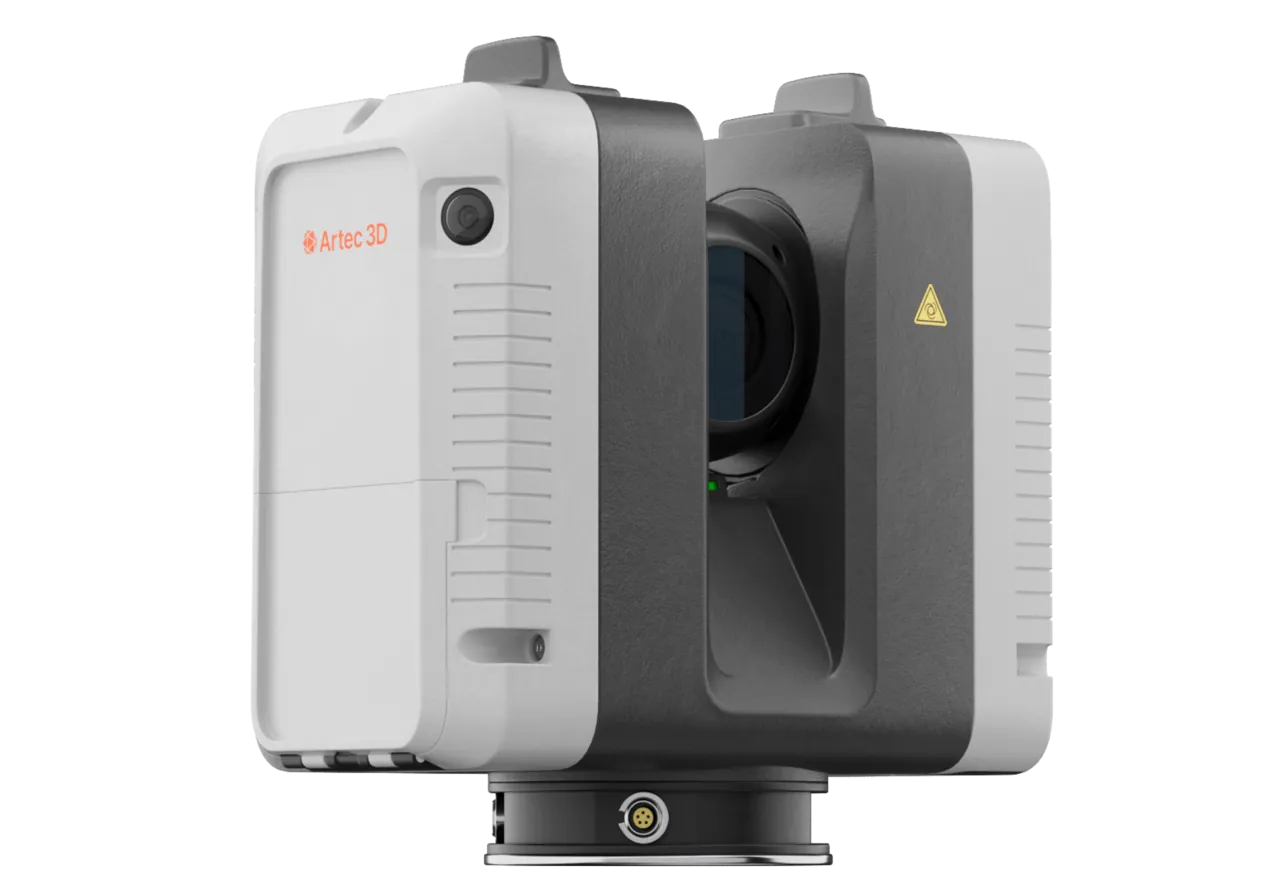
Artec Ray II
- Best for
- The site around the grave
- Accuracy
- 1.9 mm at 10 m
- Range
- 0.5–130 m
- Scan time
- About 1.7 minutes per position (2.7 with colour)
- Portability
- Wireless, tripod-mounted
Ray II records the location from a tripod, out to 130 metres, in about 1.7 minutes per position (2.7 with colour) — the grave in its landscape and its approach routes, as geometry for later sightline analysis.
“Artec has truly changed the face of forensic anthropology with Space Spider, Leo, and Ray. I’ve integrated Artec’s solutions into my daily field work as well as my regular and special classes for investigators, law enforcement officers, and college students, and the results have been nothing short of spectacular.”
See how an excavation is recorded layer by layer as measurable geometry — book a demo for your recovery team.
Book a demoQuestions practitioners ask
Does it work in wet soil and poor light?
Leo brings its own structured light and works in darkness; HD Mode helps on dark, low-reflectance surfaces such as wet soil. Standing water is the limit for any optical method.
How long does each layer take?
Minutes with a handheld. The excavation pace is set by the archaeology, not by the recording.
Can the layers be viewed together afterwards?
Yes. Each layer is registered to the same coordinate system in Artec Studio, so the sequence is reviewed layer by layer or as sections.
Is it usable for mass graves?
The same method scales: Ray II for the site and the trench, Leo for each exposed surface. Describe the scale of your work at a consultation.

Tell us about the work you do
A forensic application specialist will come back with the device that fits it, the accuracy to expect at that scale, and how the data reaches your existing workflow.