
Wound Documentation
A wound has a shape — edges, depth, a pattern — and that shape is compared with an implement or a mechanism. A photograph with a scale flattens it into an outline.
3D scanning records the wound at 0.05 mm in colour without contact, so its morphology is measured afterwards and compared directly against the implement.
 No sensitive case details required.
How does 3D wound documentation differ from photography?
It records geometry: edge profile, depth and pattern at up to 0.05 mm, with colour, contactlessly — measured afterwards from any angle and compared with a scanned implement.
 Edge and depthWound morphology as measurable form, not outline.
 ColourBruising and abrasion appearance with the geometry.
 ContactlessNo scale on the skin, no pressure on the wound.
 Implement comparisonA scanned weapon compared with a scanned wound.
Why wound morphology needs geometry
Pathologists describe wounds in three dimensions — length, breadth, depth, edge character, undermining — and then record them in two. The scale in the photograph is only accurate in the plane it lies in; on a curved limb it is not. Pattern injuries, bite marks and blunt impacts are compared to implements by shape, and shape is what the photograph does not hold.
Artec Spider II records a wound at up to 0.05 mm accuracy and 0.05 mm resolution with colour, without contact, in minutes. The model holds edge profile and depth as measurements; a suspected implement scanned the same way is compared with it directly, within the limits skin elasticity sets. Artec Eva records the body and larger injuries faster, and the two scans register into one.
The record is then reviewable by another pathologist from any angle and, where the court allows, presentable as a model rather than as a set of photographs that need to be explained.
The workflow, end to end
Body context, then each wound, then the implement.
 1. Capture the regionBody or limb scan to place each wound.
- 2. Capture each woundClose-range colour scan at 0.05 mm, contactless.
 3. ProcessRegister wound scans into the body model in Artec Studio.
- 4. Measure and compareDimensions, depth, edge profile; comparison with a scanned implement.
 5. PresentThe model as an exhibit where the court allows; a section or a print where it helps.
Which scanner for this work
Fine detail for the wound, speed for the region around it.
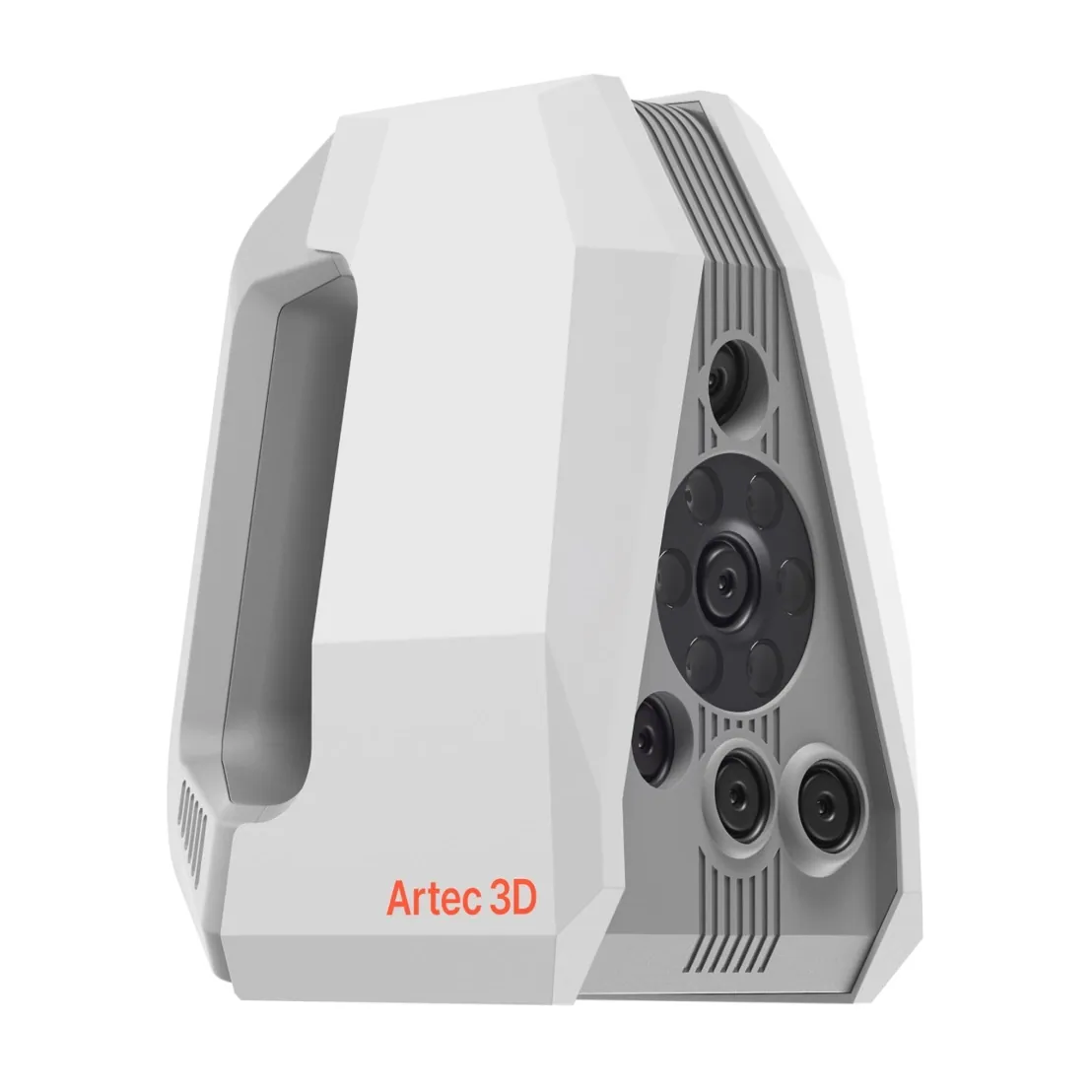
Artec Spider II
- Best for
- Individual wounds and pattern injuries
- 3D point accuracy
- Up to 0.05 mm
- 3D resolution
- Up to 0.05 mm
- Light source
- Blue structured light, no targets on the surface
- Portability
- Handheld, tethered to a laptop
Spider II records a wound at up to 0.05 mm accuracy and 0.05 mm resolution with colour, without contact — the level at which edge character and depth are measured rather than described.
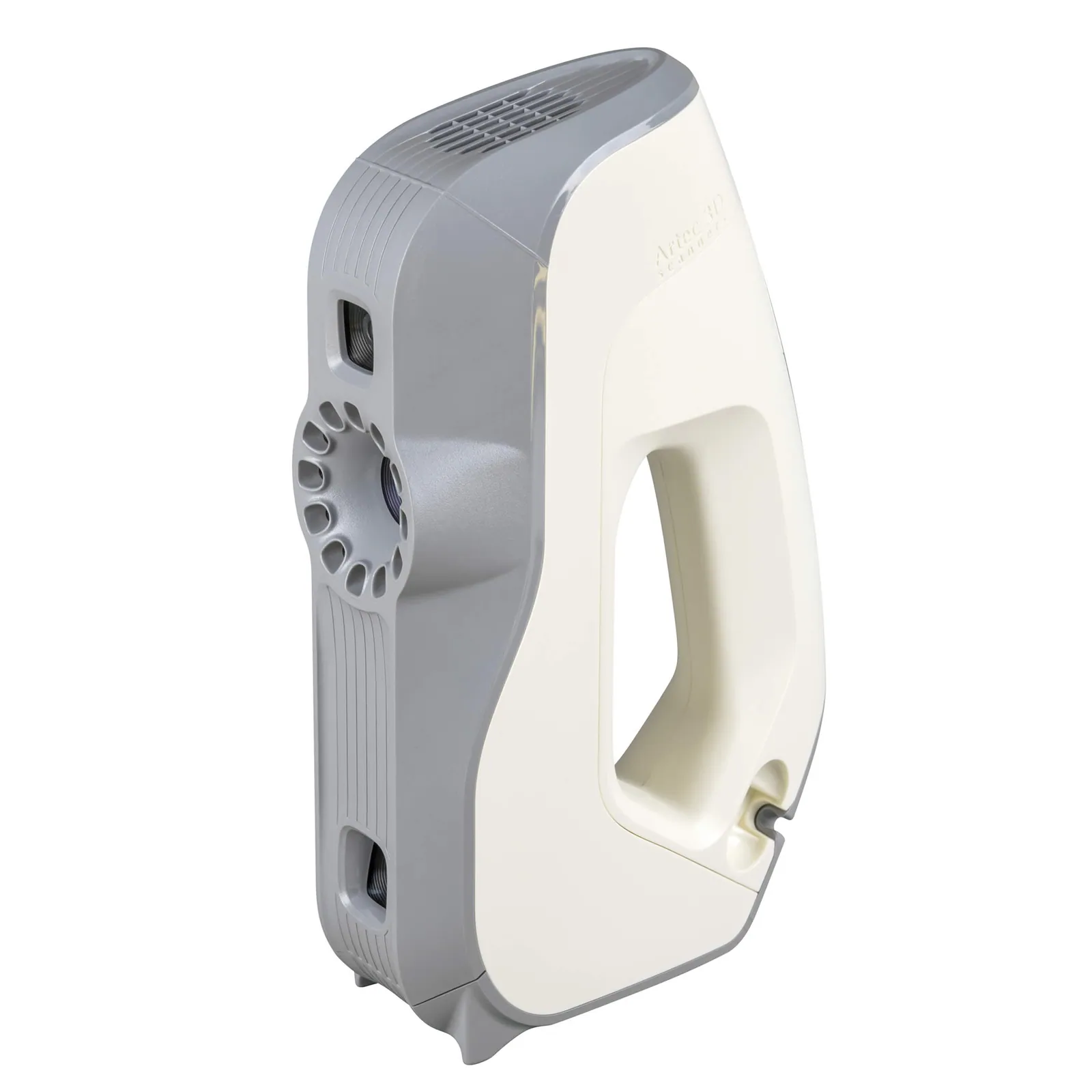
Artec Eva
- Best for
- The body region
- 3D point accuracy
- Up to 0.1 mm
- 3D resolution
- Up to 0.2 mm
- Light source
- White structured light, full colour
- Portability
- Handheld, tethered to a laptop
Eva records a limb, a torso or a whole body in colour in minutes, so each wound sits in a measured position on the body model.
See wound morphology captured contactlessly at 0.05 mm and measured afterwards — book a demo for your department.
Book a demoQuestions practitioners ask
Can wound depth be measured from the scan?
The visible geometry of the wound — edges, walls, floor where visible — is measured at 0.05 mm. Internal track depth remains a matter for dissection.
Does it capture bruising?
Colour texture is captured with the geometry, so bruising and abrasion appearance are in the record. The colour is subject to the lighting at capture, as with photography.
How is an implement compared?
The implement is scanned at the same resolution and compared with the wound model; both are measured and sectioned in Artec Studio or in your analysis software. Skin elasticity limits how closely a wound reflects the implement.
Is this used on living patients?
Contactless capture in minutes suits clinical forensic examination as well; the method is the same.
Tell us about the work you do
A forensic application specialist will come back with the device that fits it, the accuracy to expect at that scale, and how the data reaches your existing workflow.