
Scene-to-Courtroom Workflow
Scene documentation, analysis and courtroom presentation are usually three separate jobs with three separate products — and a defence expert looks for the gaps between them.
With 3D capture they are one dataset. The model recorded at the scene is the one analysed, the one disclosed, and the one shown in court.
 No sensitive case details required.
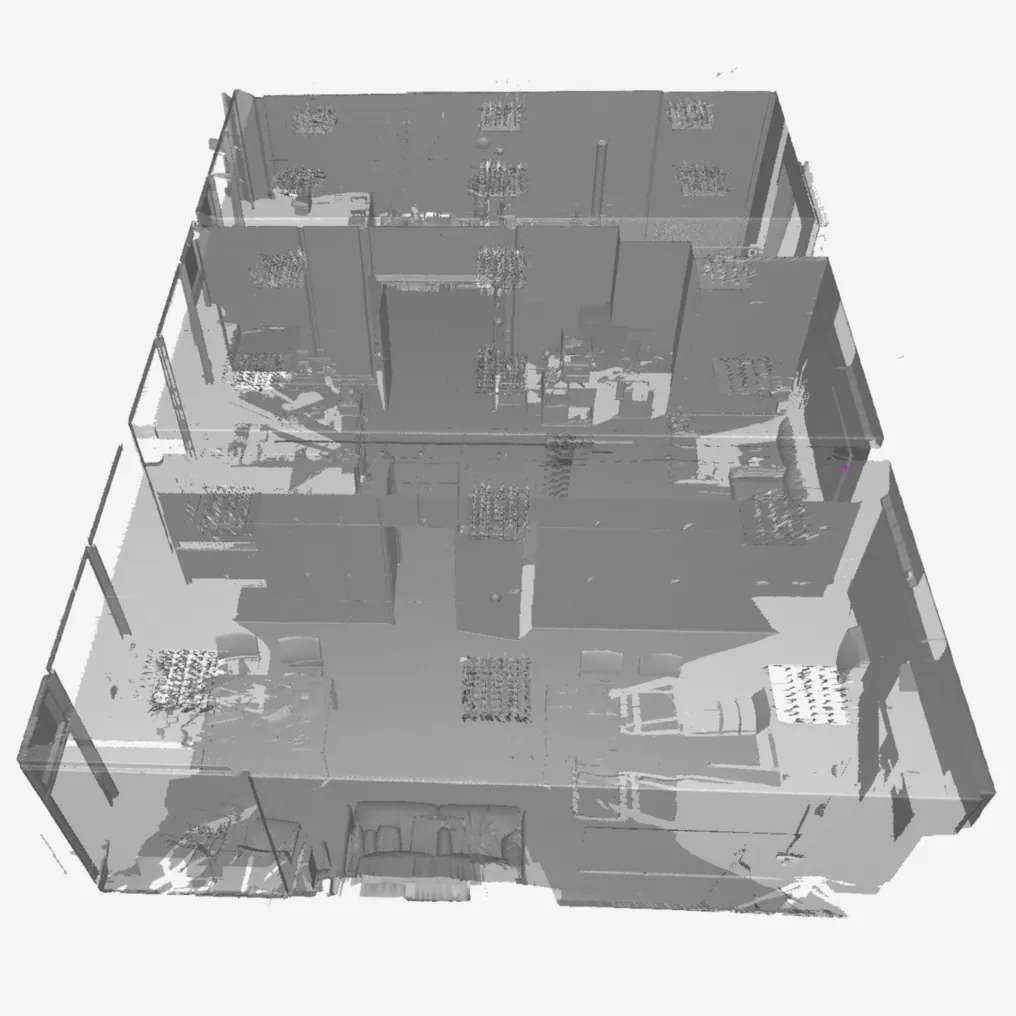
What does a scene-to-courtroom workflow look like?
Capture at the scene with logged parameters; process with the raw scans kept; analyse on the model; disclose the file; present from the same model — one dataset end to end, with no re-drawing between stages.
 One captureScene, evidence and detail recorded together, once.
 One datasetAnalysis, disclosure and exhibits from the same file.
 No re-drawingNothing is transcribed between stages, so there is no redrawing for cross-examination to attack.
 Exhibits on demandA new view of the disclosed model during trial; new measurements disclosed before they are relied on.
Why one dataset is stronger than three products
In the traditional sequence, the scene is recorded in one form (photographs, total station points), redrawn in another (a scaled plan), and presented in a third (a diagram, an animation). Each transcription is a place for error and a target for cross-examination: was the plan drawn to the points? Is the animation to scale?
With 3D capture there is no transcription. Artec Ray II and Artec Leo record the scene and its evidence as one measured dataset. Artec Studio processes it with the raw scans kept and the steps documented. Analysis — distances, sightlines, trajectories — is done on that model. The model is disclosed. The exhibits are views of it. When the defence asks whether a witness could have seen the door, the answer is a measurement on the same file they hold.
The workflow also fits how units already work: standard evidence-management for storage and access, standard formats for the analysis and presentation software already in use.
From first response to the exhibit list
Five stages, one dataset.
- 1. CaptureScene, evidence and detail recorded with logged parameters.
 2. ProcessRegistration, cleanup and verification in Artec Studio; raw scans retained.
 3. AnalyseMeasurements, sightlines, trajectories and comparisons on the model.
 4. DiscloseThe model in open formats (E57, OBJ, PLY), with the Artec Studio project that holds its history.
- 5. PresentViews, fly-throughs, sections and prints — all from the same file.
Which scanner for this work
Many scene units run one tripod scanner and one or two handhelds.
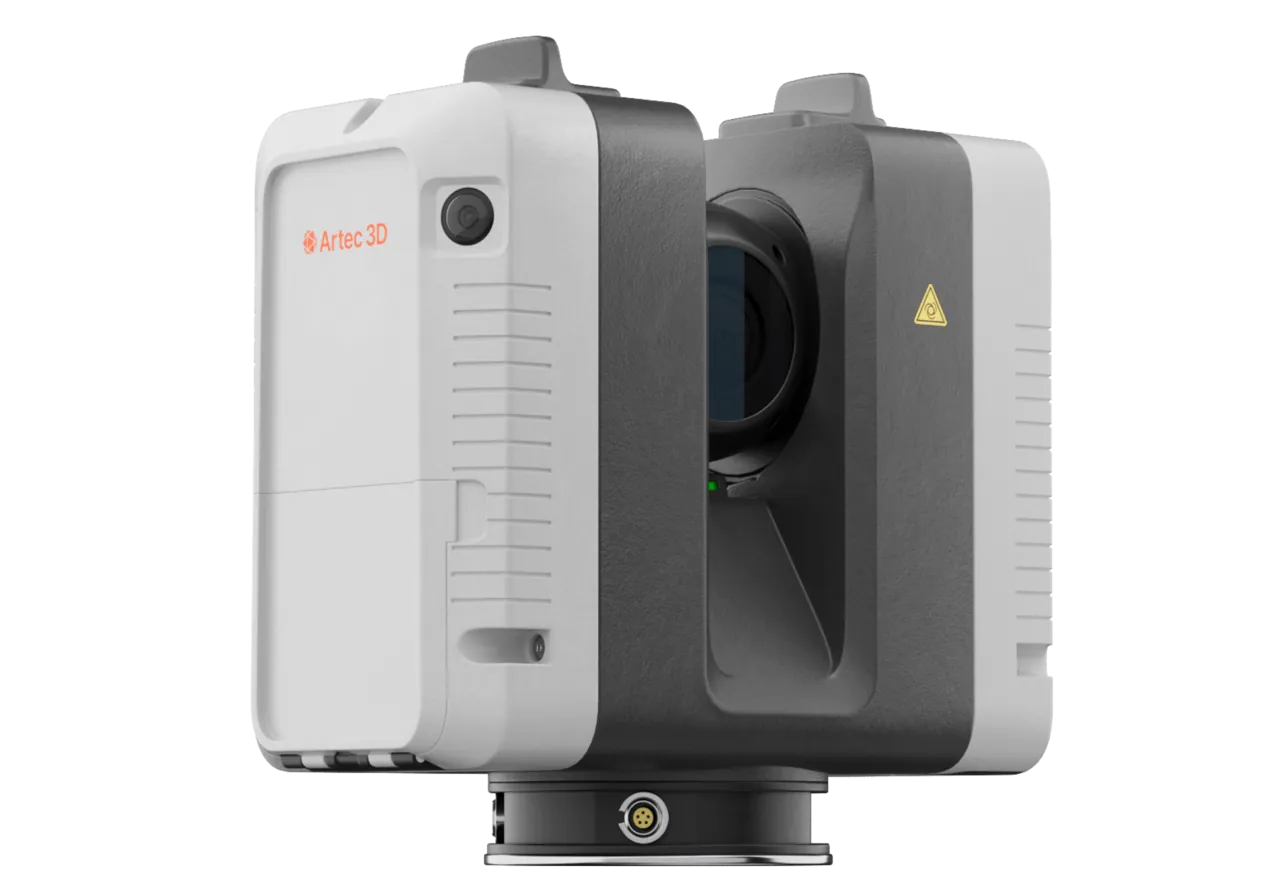
Artec Ray II
- Best for
- The scene
- Accuracy
- 1.9 mm at 10 m
- Range
- 0.5–130 m
- Scan time
- About 1.7 minutes per position (2.7 with colour)
- Portability
- Wireless, tripod-mounted
Ray II records rooms, buildings and outdoor scenes from a tripod in about 1.7 minutes per dome (2.7 with colour), out to 130 metres, with stated accuracy of 1.9 mm at 10 metres.
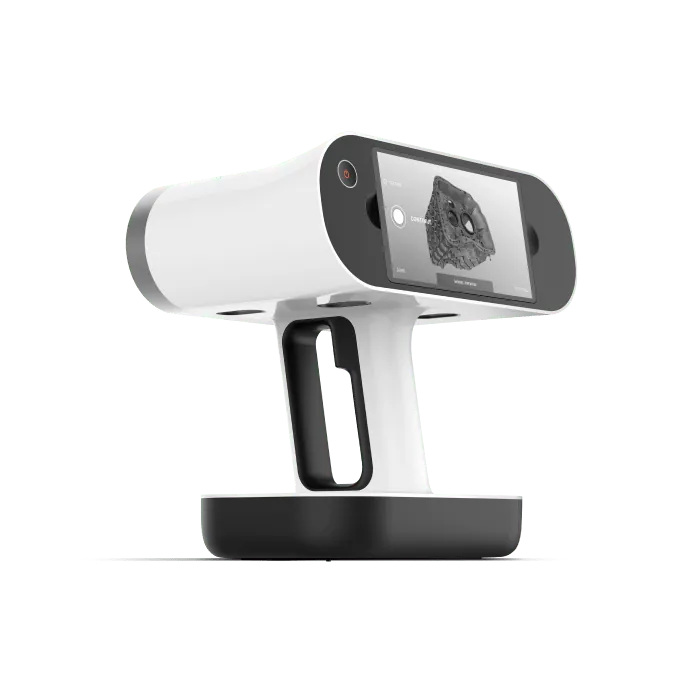
Artec Leo
- Best for
- Evidence and detail in position
- 3D point accuracy
- Up to 0.1 mm
- 3D resolution
- Up to 0.2 mm
- Capture
- Wireless, screen and processing onboard
- Capture speed
- Up to 35 million points/s (HD Mode)
Leo records bodies, vehicles and items at up to 0.1 mm, wirelessly, registered into the scene so detail sits where it was found.
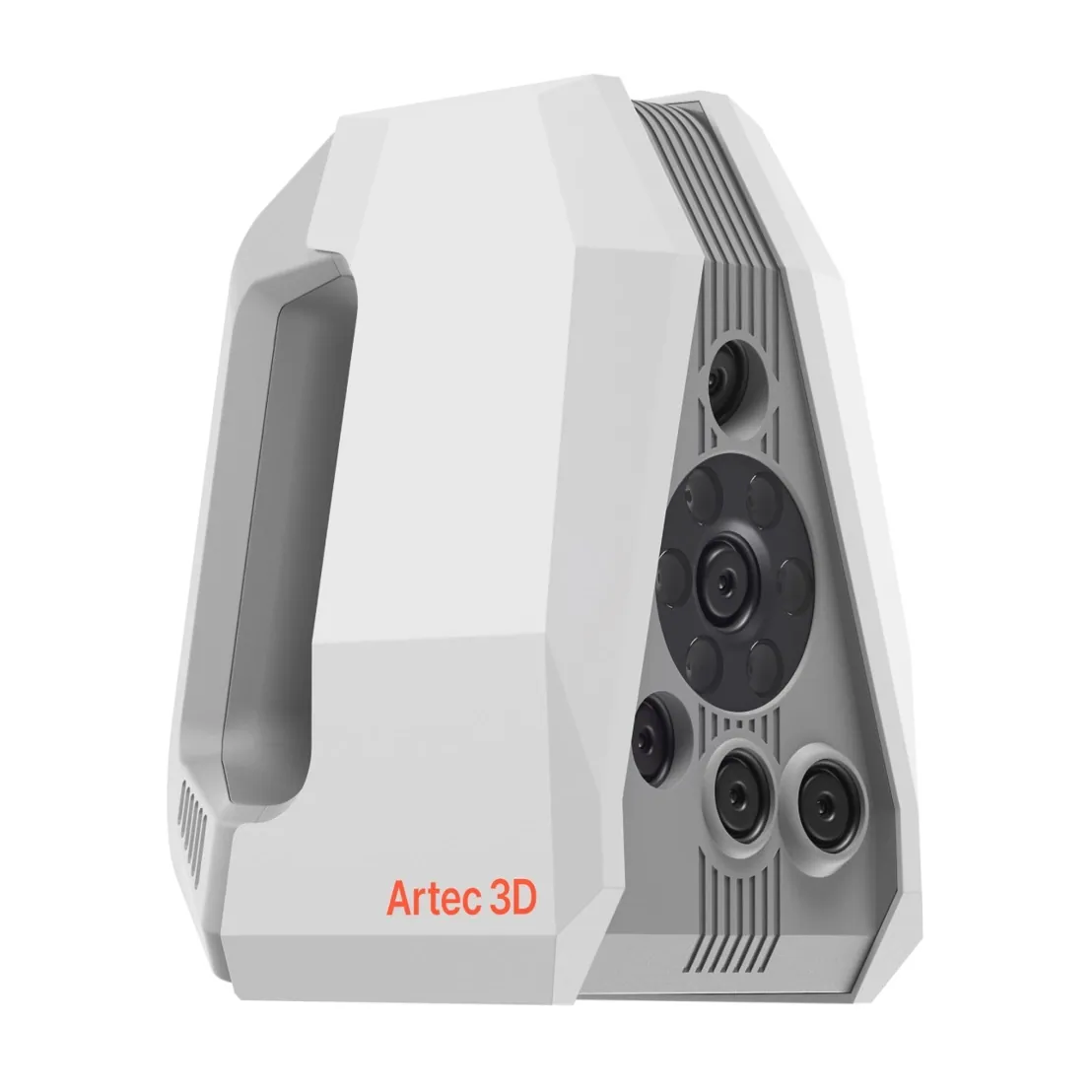
Artec Spider II
- Best for
- Fine detail for comparison
- 3D point accuracy
- Up to 0.05 mm
- 3D resolution
- Up to 0.05 mm
- Light source
- Blue structured light, no targets on the surface
- Portability
- Handheld, tethered to a laptop
Spider II records marks, wounds and small items at up to 0.05 mm — the level at which an implement is fitted to a defect.
See one dataset carried from first response to the exhibit list — book a demo for your unit.
Book a demoQuestions practitioners ask
How long does the whole workflow add to a case?
In the cases cited here it saved time: capture beat photography and tape (26 vs 54 minutes for 11 simulated injuries, Toronto study) and a tripod laser scanner (under one hour vs three to four per vehicle, Origin Forensics), and there is no redrawing stage. Processing is hours on a workstation, not days.
Does the defence get the whole model?
It should: the model in open formats (E57, OBJ, PLY) plus the Artec Studio project with its history. That is what makes the exhibits defensible — the other side can measure the same thing.
What if the court has no 3D viewer?
Exhibits are produced as still views, measured drawings, sections, fly-through video or 3D prints. The model is the source; the exhibit is whatever the court can use.
Can our existing presentation software be used?
Yes. Artec Studio exports OBJ, PLY, E57 and other formats that reconstruction and presentation packages import directly.
Tell us about your current workflow
A forensic application specialist will come back with the device that fits it, the accuracy to expect at that scale, and how the data reaches your existing workflow.