
3D Scanning vs Casting
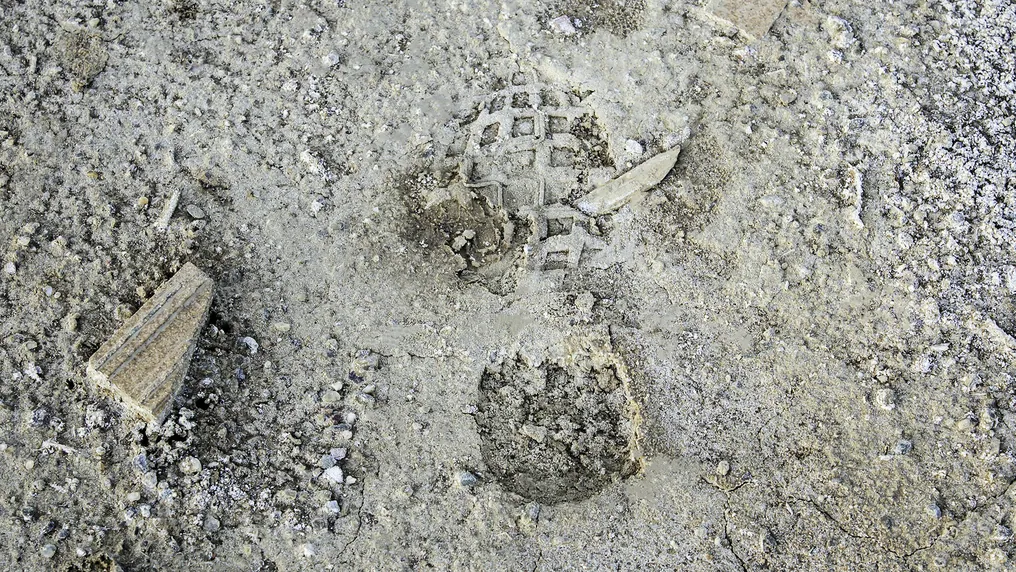
A dental stone cast records an impression in soil once, destructively, and takes one to two days to harden — and if it cracks, the impression is already gone.
3D scanning records it in under a minute without touching it, with a scanner specified to 0.05 mm, so the impression is still there afterwards for anything else the case needs.
 No sensitive case details required.
Should impressions be scanned or cast?
Scanned first, always: under a minute, contactless, with a scanner specified to 0.05 mm, and the impression survives. Cast afterwards only if the laboratory wants a physical exemplar — the scan has made that a choice rather than a necessity.
How they compare
Compared on what happens to the impression, and what you have afterwards.
| 3D scanning (Artec Spider II, Leo)Contactless optical capture of the impression in place. | Casting (dental stone, silicone)Physical negative poured or pressed into the impression. | |
|---|---|---|
| Time | Minutes, on site | Up to an hour to set at the scene; one to two days to harden |
| Contact | None — nothing applied | Full — medium in the impression |
| Second attempt | Yes; the impression is intact | No for dental stone in soil; silicone casts of a toolmark can usually be repeated |
| Depth recorded | Yes; Spider II specified to 0.05 mm | Yes, in the physical cast |
| Comparison | Digital overlay against a scanned shoe, tire or tool | Physical exemplar against a physical shoe |
| Choose this when | The first record, before anything touches the impression. | A physical exemplar, if the laboratory still wants one after scanning. |
Scanning does not prevent casting. It makes casting optional and moves it to second place.
Why the order matters more than the choice
Casting is a good method with a fatal property in soil: it is a single attempt that destroys what it records. Dental stone needs up to an hour to set in a footwear impression and one to two days to harden fully, release agents and medium go into the substrate, and a crack on lifting ends the evidence. Silicone for toolmarks is faster and usually leaves the mark intact, but it still puts material on the evidence.
Scanning has none of those properties. Artec Spider II is specified to 0.05 mm accuracy and 0.05 mm resolution and applies nothing to the impression; in the documented Artec footwear study its predecessor, Space Spider, took under a minute per impression, with 97% of points within 0.492 mm of the reference model, while a cast needs up to an hour to set and 24 to 48 hours to harden. The impression is intact afterwards. Depth, wear and damage are geometry in the model, compared digitally against a scanned shoe, tire or tool.
That changes the question from scanning versus casting to scanning first, then casting if anyone still wants a physical exemplar. Some laboratories that scan first find they no longer need one.
The figures behind the verdict
See an impression captured in under a minute, with nothing touching it — book a demo for your impression evidence.
Book a demoQuestions practitioners ask
Does scanning damage the impression?
No. Capture is optical and contactless; nothing is applied. The impression is available afterwards for casting or trace recovery.
Is a scan as detailed as a cast?
Spider II is specified to 0.05 mm resolution and 0.05 mm accuracy, which captures the wear and damage features identification relies on — and it holds colour as well, which a cast does not.
Can the scan be compared to a shoe or a tool?
Yes. The scanned exemplar is aligned to the scanned impression and measured in Artec Studio or in your comparison software after export.
Will courts accept a scan instead of a cast?
Units that scan present the scan as the primary record and cast where a physical exemplar is wanted; casting is still standard in most laboratories. Admissibility rests on method, as with any technical evidence.
Tell us about the work you do
A forensic application specialist will come back with the device that fits it, the accuracy to expect at that scale, and how the data reaches your existing workflow.