Accident Reconstructionists
A reconstructionist is paid for a defensible answer, on a deadline, from a scene that has usually been cleared by the time the instruction arrives.
3D capture gives the practice the geometry the analysis runs on — road, vehicles, marks, rest positions — in the formats the simulation software takes, and a dataset the other side's expert can examine rather than dispute.
No sensitive case details required.

Straight into the simulationE57, OBJ and PLY into the reconstruction package your practice runs.
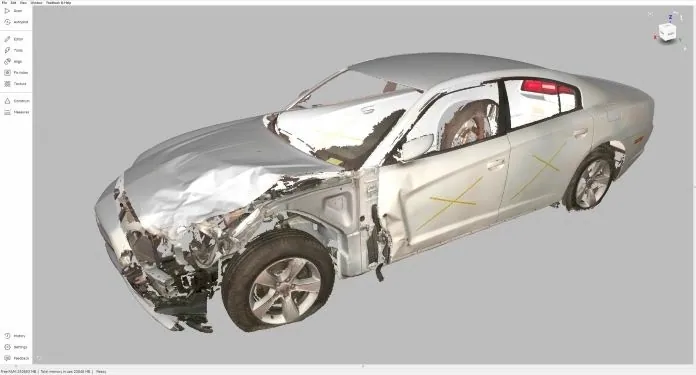
Crush at any stationDeformation measured against undamaged geometry — for the energy and delta-v work.
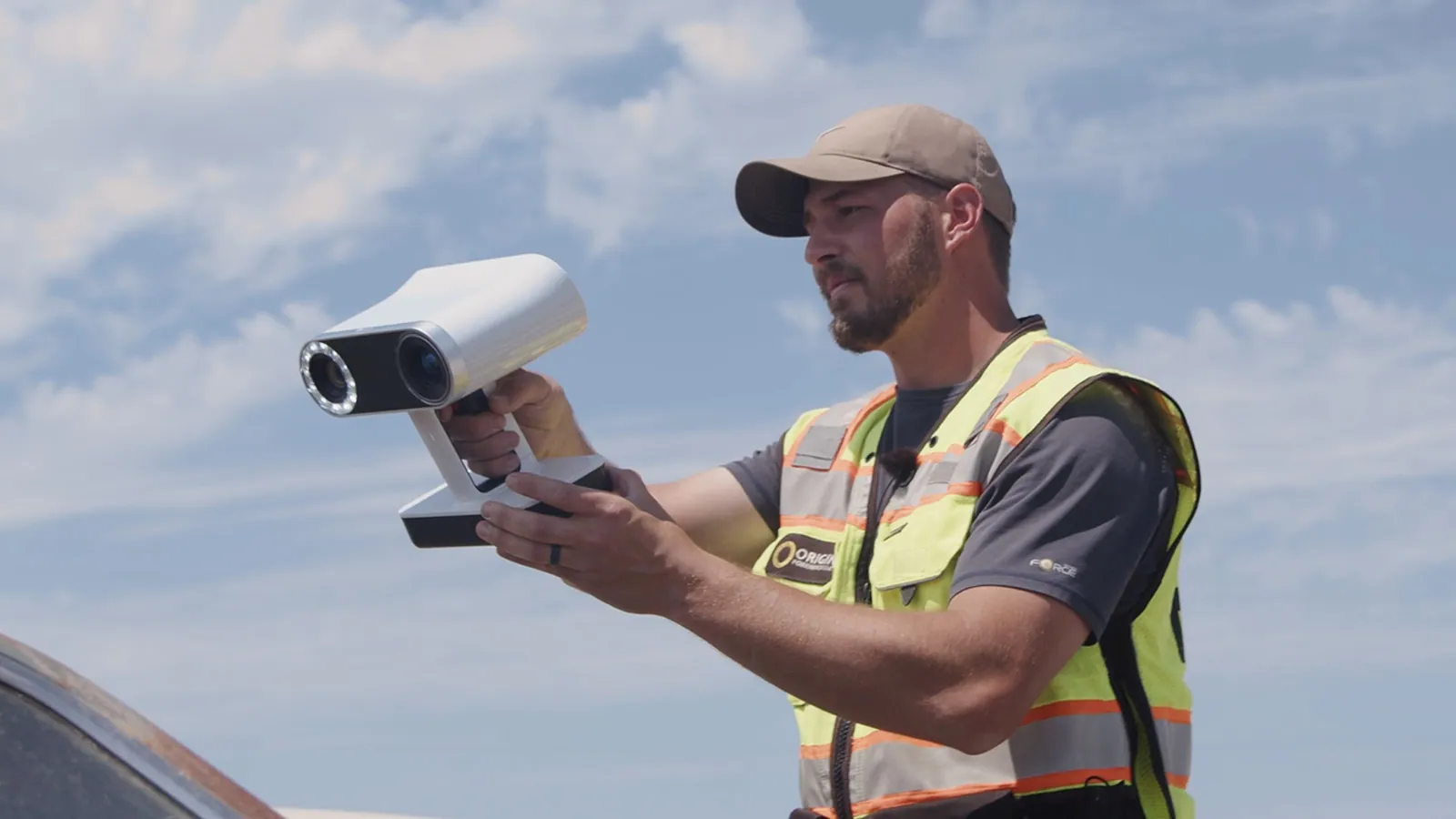
Less billable time on siteFour hours to under one in the Origin Forensics case.
Checkable by the other sideThe opposing expert measures the same file; the dispute moves to interpretation.
What changes for the practice

The roadway as data: Marks, debris, gradients and rest positions captured from a tripod as geometry the simulation consumes directly.
Vehicles inside and out: Crush profiles and intrusion measured on the model at any station the analysis later needs.
Deliverables counsel can use: The same geometry drives the simulation and the courtroom animation, so nothing is redrawn between them.
An archive for the next instruction: A vehicle scanned in the yard is measured again when a new question arrives — without the vehicle.
Where the practice earns its fee, and what the model changes
A reconstruction practice is judged on three things: whether the analysis holds, how fast the report arrives, and how the evidence stands up when the other side's expert goes through it. All three rest on the geometry the analysis started from — and that geometry is captured under pressure to reopen a road, or in a yard weeks later.
Traffic accident reconstruction and crash vehicle scanning describe the capture. What matters to the practice is what comes out: E57 point clouds and OBJ or PLY meshes that load into the reconstruction and simulation software already in use, crush profiles at any station for the energy and delta-v calculations, and a scene model that the courtroom animation is built on rather than redrawn from. Origin Forensics reported vehicle scene capture falling from about four hours to under one — billable hours, and a report that starts sooner.
The dataset also settles a recurring argument. The opposing expert receives the same file and takes the same measurements; disagreement becomes a matter of interpretation, not of whose sketch to believe. Where a sightline is in question, line-of-sight analysis runs on the same model.
Peers already doing this
The figures are the customers' own, from their published case studies.

Which scanner for this work
Range for the road, detail for the vehicles. Most reconstruction practices run both.

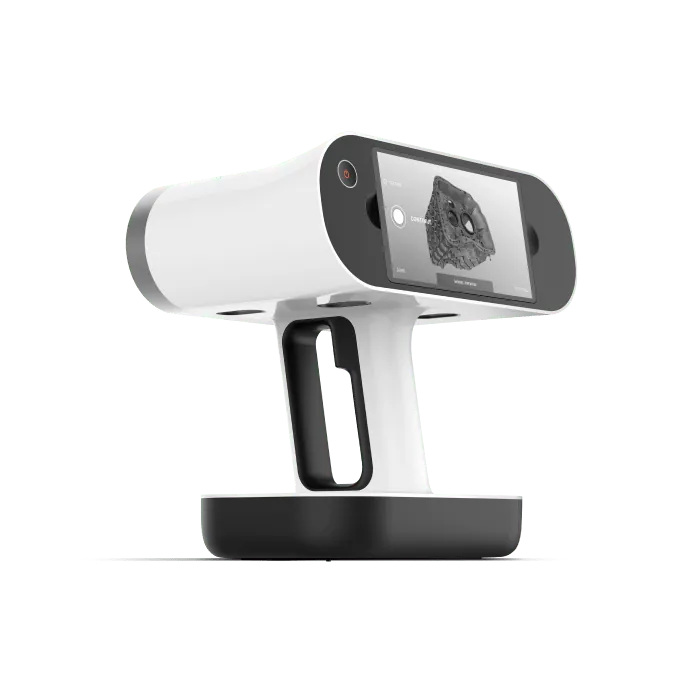
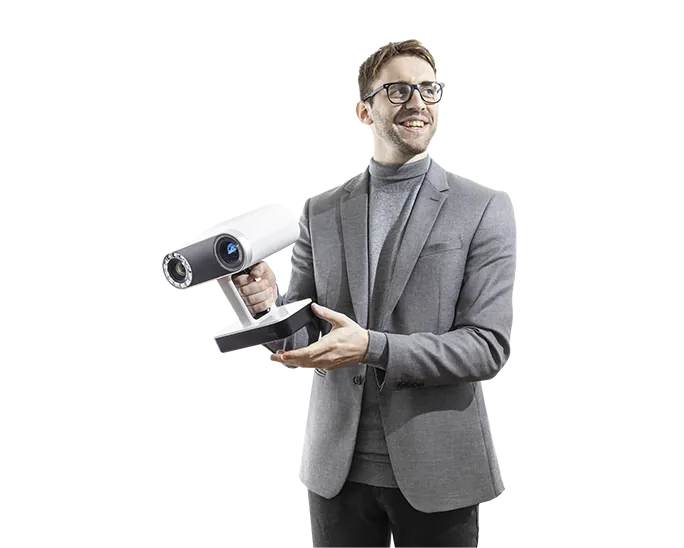
Artec Leo
- Best for
- Vehicles
- 3D point accuracy
- Up to 0.1 mm
- 3D resolution
- Up to 0.2 mm
- Capture
- Wireless, screen and processing onboard
- Capture speed
- 35 million points per second
- Typical time
- A vehicle in about an hour, inside and out
Up to 0.1 mm, wireless, screen onboard. Origin Forensics' four-hours-to-under-one figure was measured on this work.

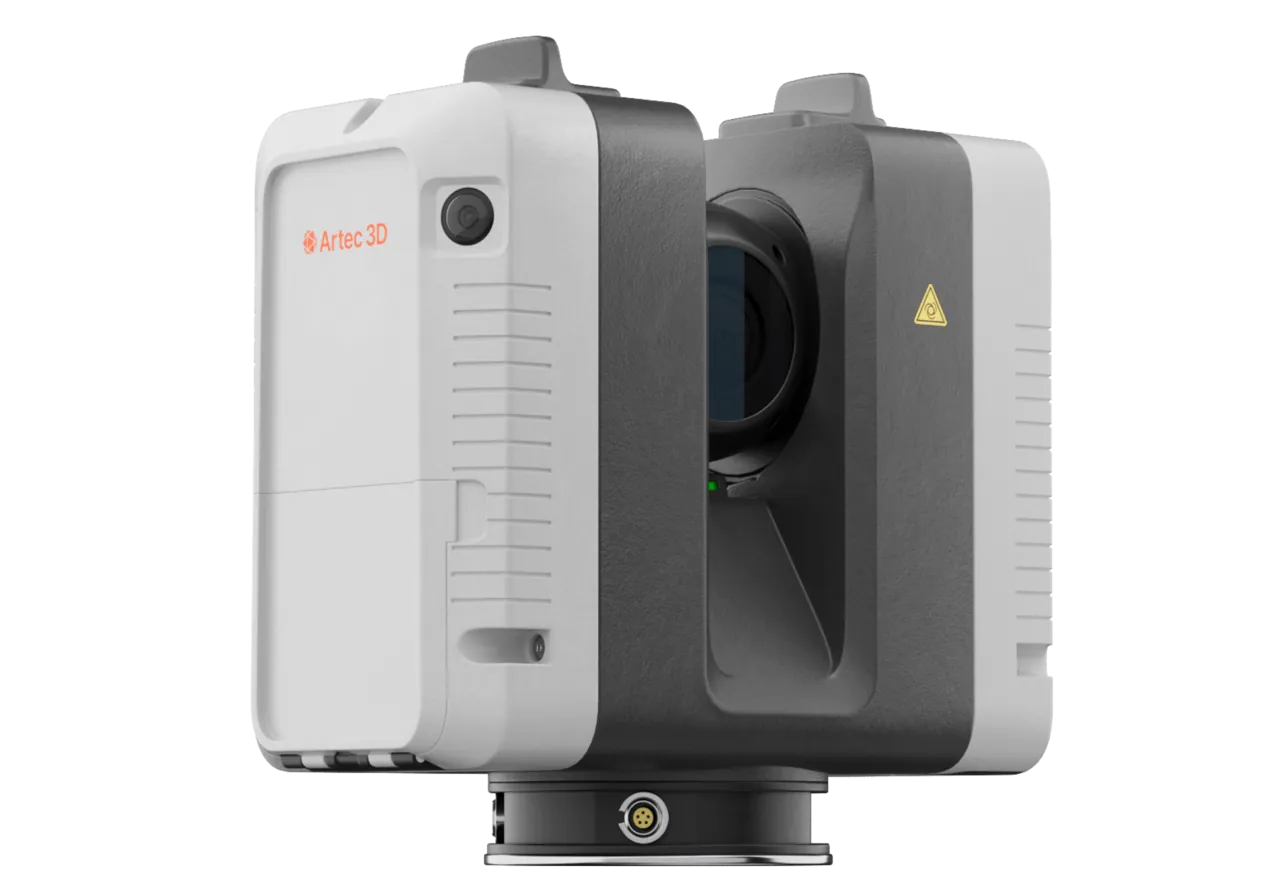
Artec Ray II
- Best for
- The roadway and debris field
- Accuracy
- 1.9 mm at 10 m
- Range
- 0.5–130 m
- Scan time
- About 1.7 minutes for a full dome
- Portability
- Wireless, tripod-mounted
130 m range, a dome in about 1.7 minutes, 1.9 mm at 10 m. No targets on the road.
See site and vehicle geometry captured ready for your reconstruction software — book a demo for your practice.
Book a demoQuestions practitioners ask
Does the data go into our reconstruction software?
Yes. Artec Studio exports E57, OBJ, PLY, STL and other formats that reconstruction and simulation packages import directly.
How does it change the billing?
Less time on site — Origin Forensics reported about four hours to under one for vehicle scenes — and no return visits for a missed measurement. The report starts from complete data.
What does the opposing expert receive?
The same file, in open formats. They measure what you measured; the argument moves to interpretation.
Can we scan a vehicle in the yard weeks later?
Yes, and the model is then archived against the next question. Note in the report that transport may have altered the geometry, as you would for any yard inspection.

Tell us about the work you do
A forensic application specialist will come back with the device that fits it, the accuracy to expect at that scale, and how the data reaches your existing workflow.